





How do phone psychic readings differ from in-person consultations?
Phone psychic readings take place remotely, with the consultation centred on spoken questions, answers and impressions rather than face-to-face interaction. In-person consultations provide a shared physical setting and visible body language, while phone readings can offer greater separation and flexibility for clients who prefer not to meet a reader directly.
Phone psychic readings and in-person consultations can use the same disciplines, including clairvoyance, mediumship, tarot and astrology, but the consultation experience differs. A phone session depends primarily on the reader’s spoken interpretation and your verbal responses, whereas an in-person appointment takes place within a shared environment that may include physical tools, room layout and additional non-verbal information.
How the reading is conducted
During a phone reading, the reader usually establishes the focus through conversation. You explain what you want to explore, ask questions and listen to the impressions or interpretations offered. The session may feel more structured because the spoken exchange is the main way to clarify a point, change direction or ask for further detail.
An in-person consultation can incorporate a broader range of physical cues and activities. For example, a tarot reader may arrange cards on a table for you to view, or an astrologer may discuss a chart using printed or displayed information. These elements do not determine the quality of the reading, but they can make the process more visually tangible for someone who prefers to follow the reader’s methods directly.
The role of sensory information
Phone consultations limit the information available to the reader to the conversation and any impressions associated with the reading itself. This can help keep the discussion focused on your questions rather than on details of the surroundings. It also means that precise wording matters: if an answer is unclear, asking the reader to explain the interpretation or give a practical example can be useful.
In person, the consultation includes the atmosphere of the room and the physical handling of any tools used. Some clients find this helpful because it gives them something concrete to observe. Others may find that the additional setting distracts from the spoken guidance. The difference is therefore one of preference and consultation style, not a universal measure of reliability.
Privacy and personal boundaries
A phone reading allows you to choose a setting where you feel comfortable discussing personal matters. You can decide who is physically present on your side of the conversation and whether you want to take notes as you listen. For sensitive subjects, such as relationships, bereavement or career uncertainty, this may make it easier to control the pace of disclosure.
An in-person appointment requires you to share a physical setting with the reader and may involve travelling to a designated location. Before either type of consultation, check how personal information is handled, whether notes are retained and what arrangements apply to payment and communication. A reputable service should make its privacy practices clear rather than asking you to disclose more information than is relevant to the reading.
Communication and participation
Phone readings place greater emphasis on active listening. Because you cannot refer to a spread of cards, chart or other visible material unless the reader describes it, you may want to keep a written list of questions and note key points during the call. It is also reasonable to pause and ask what a particular term means, especially where the reader uses specialist language related to astrology or mediumship.
In person, the reader can demonstrate a process directly and you can respond to the consultation as it develops. However, the same principles apply: provide only information you are comfortable sharing, distinguish guidance from certainty, and ask for clarification when an interpretation is too broad to be useful.
Which format may suit you?
- Choose a phone reading if you prefer a conversation-led consultation, want to take part from a private setting, or would rather focus on the reader’s words than on the physical surroundings.
- Choose an in-person consultation if you value seeing the reader’s materials, following a visual process or engaging with the atmosphere of a dedicated consultation space.
- Consider the reader’s speciality before choosing the format. Tarot may involve a visual card layout, astrology may involve chart discussion, and mediumship or clairvoyance may be delivered mainly through spoken impressions. Ask how the reader adapts that practice to telephone consultations.
Neither format removes the need for sound judgement. Psychic readings are best treated as reflective guidance rather than factual proof, professional medical advice, financial advice or a guarantee about future events. For a phone reading, prepare concise questions, find a place where you can concentrate and allow time to consider the answers. For an in-person consultation, consider the travel and setting as well as the reader’s approach. The most suitable option is the one that supports clear communication and matches how you prefer to process information.
Elizabeth Rose Psychics offers phone readings using established approaches such as clairvoyance, mediumship, tarot and astrology. When comparing a phone consultation with an in-person alternative, examine the reader’s explanation of the process, the type of questions covered and the way privacy is addressed, rather than assuming that the delivery method alone determines the value of the session.
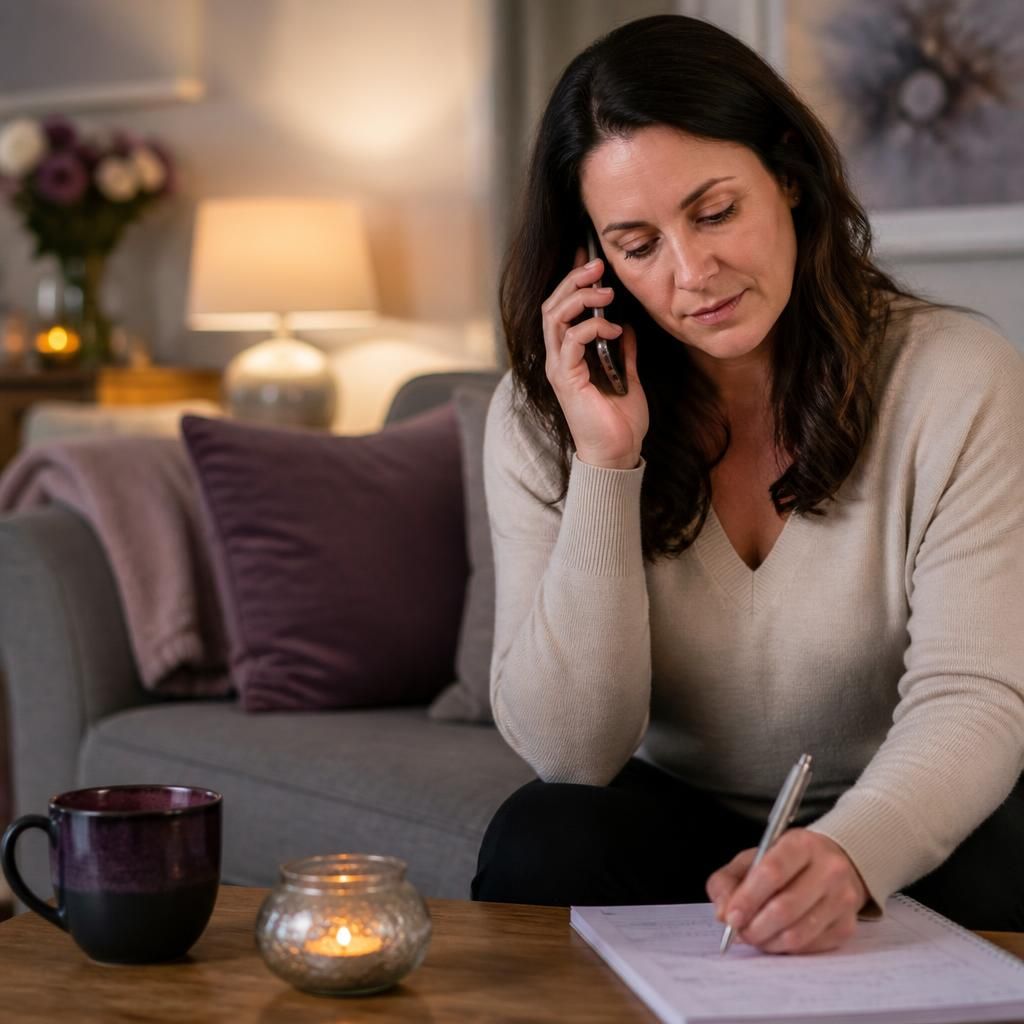
A practical difference between phone psychic readings and in-person consultations is physical access. A telephone session does not require travel to a reader’s premises, so clients across the USA can choose a suitable location for the conversation. An in-person appointment, by comparison, depends on reaching a specific venue and being comfortable in that environment.
This can be relevant for people with mobility limitations, demanding travel arrangements or a preference for familiar surroundings. It may also make it easier to arrange a reading without changing the consultation itself around the location. However, the quality of either format depends on the reader’s method, clarity and professional boundaries—not simply on whether the session takes place by phone or face to face.