





How does a clairvoyant connect with a client over the phone?
A clairvoyant connects with a client over the phone by focusing on the caller’s voice, concerns and the intuitive impressions that arise during the conversation. They communicate those impressions aloud, ask relevant questions and use the client’s responses to develop a clear, personalised reading.
A clairvoyant connects with a client by using the telephone conversation as the point of contact for an intuitive reading. The process usually combines attentive listening, the clairvoyant’s chosen spiritual practice and a two-way exchange in which the client confirms, questions or adds context to what is discussed.
In clairvoyant work, connection does not necessarily depend on seeing the client in person. The clairvoyant may regard the client’s voice, name, stated intention or the focus of the consultation as a way of directing attention towards the reading. Some practitioners describe this as tuning into a person’s energy; others describe it as receiving visual, emotional or symbolic impressions. These descriptions belong to spiritual practice rather than to a scientifically measurable process, so impressions are best treated as guidance for reflection rather than established fact.
The connection typically develops through several stages:
- Setting the focus: The client explains the main reason for calling, such as a relationship concern, a career decision or a question about personal direction. A clear focus gives the session a useful starting point without requiring the client to disclose every detail.
- Creating a receptive conversation: The clairvoyant listens to the client’s tone, wording and pauses while maintaining attention on the subject of the reading. This is not the same as diagnosing a person from their voice; it is part of the conversational and intuitive method used during the session.
- Interpreting impressions: The clairvoyant may describe images, feelings, symbols, memories or other impressions that arise. These may be presented as possible themes or areas to consider, rather than as guaranteed predictions.
- Checking meaning: The client can explain whether an impression relates to their circumstances. Clarification helps distinguish a useful point from a symbol that may have a different meaning for that individual.
- Applying the discussion: The reading can then be related to practical choices, patterns or questions. The client remains responsible for deciding what action, if any, is appropriate.
Telephone connection also relies on the absence of visual information. A clairvoyant cannot observe facial expressions, clothing or body language, which may encourage greater concentration on spoken communication and the intuitive method itself. At the same time, the lack of visual cues means that careful clarification is particularly important. If a statement is unclear, the client should ask what the clairvoyant means instead of assuming that an image or phrase has only one interpretation.
A professional session should have clear conversational boundaries. The client can decide which subjects to discuss, decline to answer a question and ask for a point to be explained in different words. It is also sensible to separate spiritual guidance from professional advice. A clairvoyant may offer an intuitive perspective on health, legal, financial or relationship concerns, but that perspective should not replace qualified medical, legal or financial assistance where such help is needed.
The quality of the connection is therefore not measured simply by whether the clairvoyant makes a dramatic prediction. More useful indicators include whether the discussion addresses the client’s stated concern, whether impressions are explained clearly, whether uncertainty is acknowledged and whether the client has space to think rather than being pressured into a particular decision. A reading can provide a framework for reflection without claiming to determine the future.
For a telephone reading with Elizabeth Rose Psychics, the client can approach the call with one or two priority topics and an open but questioning attitude. Notes can help with remembering the main points, while specific follow-up questions can make the exchange more precise. The phone acts as the communication channel; the connection itself is formed through focused attention, spoken interaction and the interpretation of clairvoyant impressions.
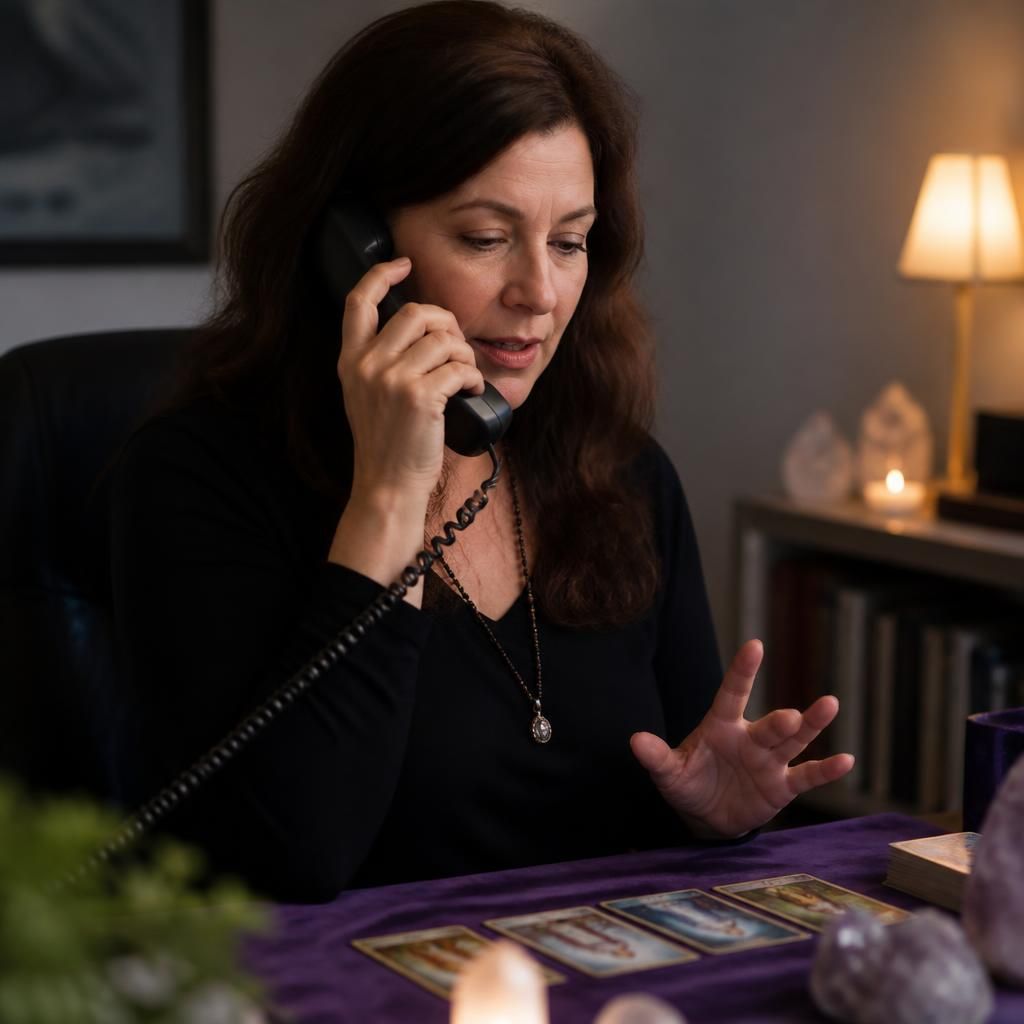
A telephone clairvoyant connection depends on clear audio and deliberate turn-taking. Because neither person can rely on facial expressions or gestures, pauses, changes in tone and the wording of a question carry more weight in the conversation. The clairvoyant may pause to describe an impression, while the client may need a moment to decide whether a detail is relevant. Allowing these pauses helps prevent important points from being lost through rushed replies.
Practical conditions can support this exchange. A private, reasonably quiet setting makes it easier to concentrate on the reading, and asking for a statement to be repeated is preferable to guessing at its meaning. The client can also distinguish between information volunteered at the start of the call and impressions introduced by the clairvoyant during the discussion. This makes it easier to consider how the reading has developed and which points warrant further questions.