



Are online psychic readings private and secure?
Online psychic readings can be private and secure when the provider uses discreet communication, protects personal information and explains how reading details are handled. Before booking with Elizabeth Rose Psychics, review its privacy information and use a private device and connection for your phone or email consultation.
Online psychic readings are not automatically private or secure; their protection depends on the provider’s information-handling practices and the security of the device, account and communication method used. A responsible approach combines a clear privacy policy, limited collection of personal information, secure payment processing and sensible precautions by the client.
Privacy concerns who can access information about you and what happens to it after a consultation. This may include your name, contact details, booking information, questions, payment details and any notes made during the reading. Privacy also covers whether information is used only to arrange and deliver the consultation, or whether it is retained for administration, support, analysis or marketing.
Security concerns the measures used to prevent unauthorised access, loss or interception. For a phone reading, this includes protecting booking and payment records as well as the conversation itself. For an email reading, it also includes the security of the email accounts and systems through which messages are sent and stored. These are related issues, but they are not identical: a service can have a sensible privacy policy while a client’s own email account or device remains poorly protected.
Before arranging a consultation with Elizabeth Rose Psychics, read the relevant privacy information rather than relying only on general statements about confidentiality. Look for clear explanations of:
- what personal information is collected and why it is needed;
- how consultation-related messages, notes or records are stored;
- how long information is retained and whether it can be deleted;
- which service providers may process booking or payment information;
- whether information is used for marketing and how those messages can be declined; and
- how to raise a privacy concern or request access to information held about you.
A provider should not need unnecessary sensitive information to give a general spiritual reading. You can usually decide how much personal context to share, particularly at the start of a consultation. Avoid sending passwords, full payment-card details, identity-document numbers or other information that is unrelated to the reading. If a question involves another person, consider whether identifying details are genuinely necessary.
It is also useful to establish the boundaries of confidentiality before sharing anything highly personal. Ask whether the reading is recorded, whether written messages are retained, who can access consultation records and whether information may be disclosed in limited circumstances required by law or for technical support. A refusal to explain basic handling practices, pressure to provide excessive personal information or requests for account credentials are warning signs.
Client-side precautions make a material difference. Use a private device protected by a passcode, keep its operating system and browser up to date, and avoid saving sensitive emails or documents to a shared computer. Check the recipient address carefully before sending an email question, particularly if the message contains relationship, health or financial details. If other people have access to your phone, email account or browser, use account privacy controls and sign out where appropriate.
For payment, confirm that the transaction is made through the provider’s recognised booking or payment process. Do not send card numbers or security codes in an ordinary email unless a clearly documented, secure process specifically requires it. Review receipts and account notifications, and contact the provider through an independently verified channel if a payment request seems unusual.
No online service can remove every privacy risk. Email can be forwarded, devices can be compromised and information may remain in backups or inboxes after a message is deleted. A secure consultation therefore means reducing unnecessary exposure, understanding the provider’s controls and choosing what to disclose with care. Elizabeth Rose Psychics can be assessed on these practical points by reviewing its privacy information before booking a phone or email reading.
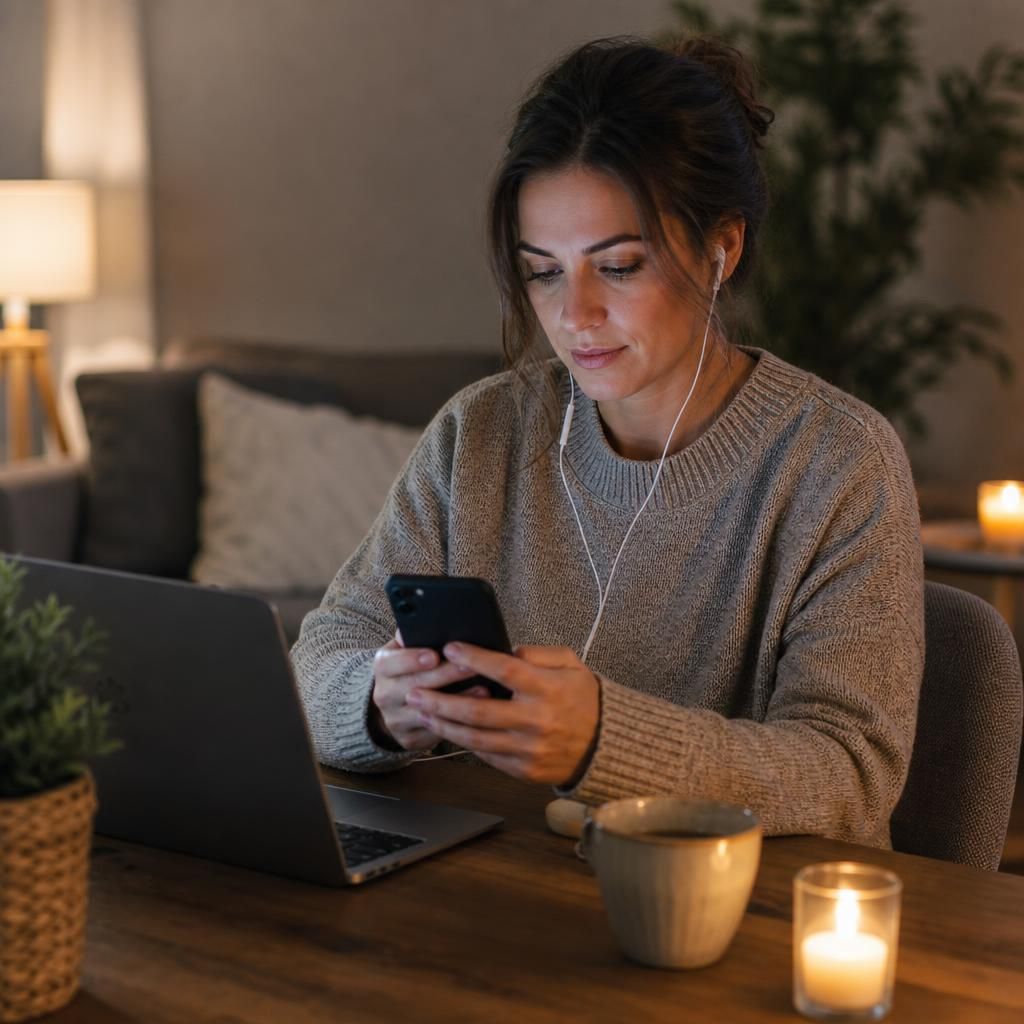
Privacy depends on your surroundings as well as the provider’s systems. A phone reading may be overheard by people nearby, while an email reading may appear in lock-screen notifications, shared inboxes or automatic forwards. These risks can exist even when the provider handles client information responsibly.
Before a consultation, choose a private setting and use headphones where appropriate. Check whether your device displays message previews, whether anyone else can access the email account, and whether workplace or family devices synchronise its contents. For written readings, review the recipient address and consider using a personal account rather than one monitored or shared by others. These simple checks help keep the consultation private from unintended viewers or listeners.