

What is the typical duration of a tarot reading session?
A tarot reading session has no fixed duration: a focused question usually takes less time than a broader reading covering several areas of life. The length depends on the number of cards explored, the complexity of the questions and the discussion needed to interpret the spread.
A tarot reading is typically arranged as a defined consultation, with enough time for the reader to establish the focus, lay out the cards, interpret their relationships and summarise the main themes. There is no universal standard length, because the format and scope of the reading determine how much discussion is needed.
For a phone reading, the time is generally used in stages:
- Initial focus: the reader clarifies the subject or question and identifies any relevant context.
- Card interpretation: the spread is examined as a whole, rather than treating each card as an isolated prediction. Position, symbolism and the relationship between cards all contribute to the reading.
- Discussion: the client can ask follow-up questions or explain how an interpretation relates to their circumstances.
- Summary: the reader brings together the principal messages, possible influences and areas the client may wish to consider.
A concise reading may be appropriate when the aim is to explore one clearly defined issue. A more comprehensive consultation usually requires greater discussion, particularly when several connected questions are involved or when the reading covers different areas such as relationships, career and personal development. The number of cards alone does not determine the duration; a smaller spread can still require careful explanation.
The reader may also allow time for clarification during the consultation. Tarot is interpretive, so the meaning of a card can change according to its position in the spread and the surrounding cards. Explaining those connections is an important part of the session and can take longer than simply listing card meanings.
Email tarot readings work differently from live phone sessions. They do not follow a continuous conversation measured in minutes. Instead, the scope is defined by the questions submitted and the written interpretation prepared in response. A focused email reading may therefore be shorter in content, while a broader set of questions calls for a more detailed written explanation.
Before booking, it is useful to decide whether you want a targeted answer or a wider overview. Prepare the main issue in clear terms, identify any essential background and distinguish between questions that genuinely belong together and separate topics. This helps the reader use the consultation effectively without spending its early stages trying to establish what you want explored.
A session is generally complete when the agreed focus has been addressed, the principal cards and patterns have been explained, and any reasonable clarification has been covered. The quality of a tarot reading is not measured by length alone: a structured interpretation that answers the intended question can be more useful than a longer session that introduces unrelated subjects.
Elizabeth Rose Psychics provides tarot guidance by phone and email, allowing clients throughout the USA to choose a remote format suited to the way they prefer to receive a reading.
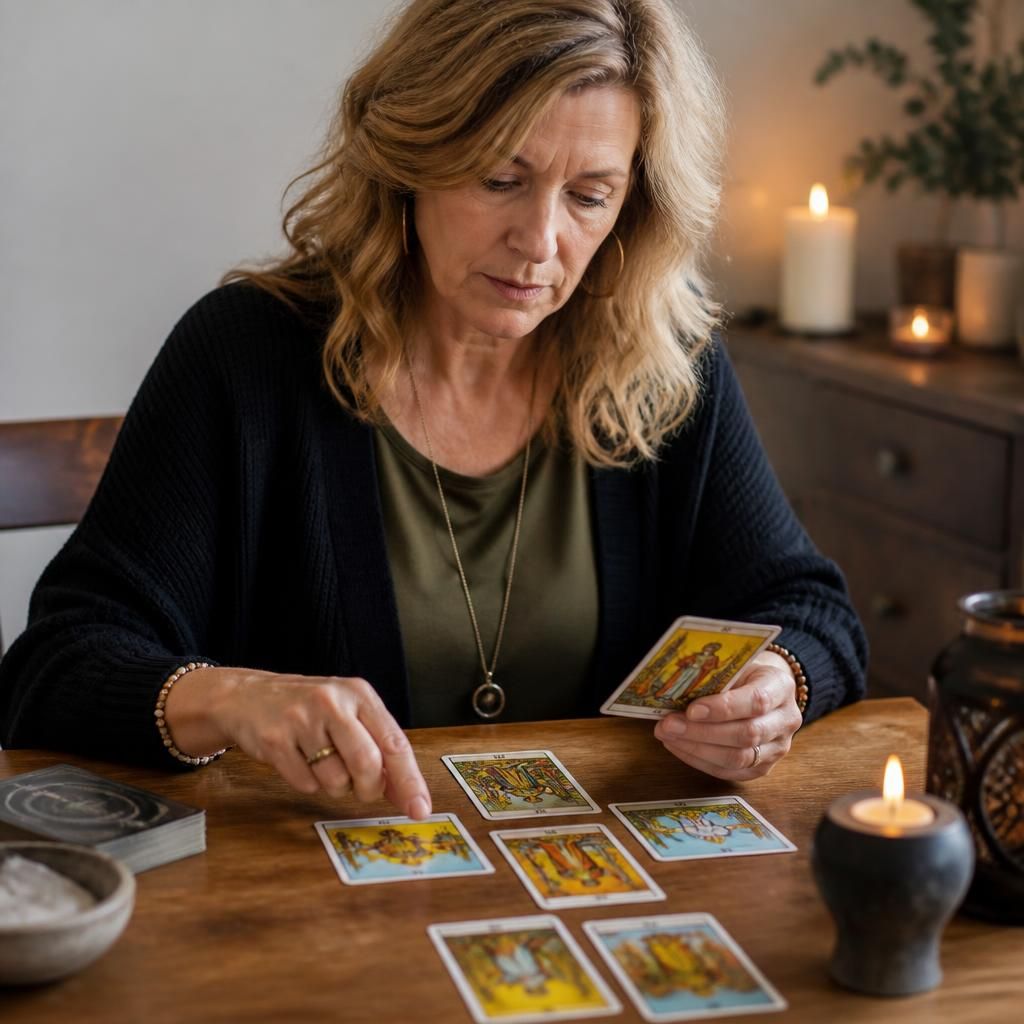
One factor that can affect the length of a tarot reading is whether the reader uses clarifier cards. These are additional cards drawn when a position or theme in the original spread needs further examination. A compact spread may be interpreted without them, while a more layered reading may include several clarifications before the overall message is clear.
This means two readings addressing a similar question can take different amounts of time. The difference may reflect the depth of interpretation required, rather than the number of cards in the initial layout. A reader should explain how any additional cards relate to the original spread so that the consultation remains focused.