








What methods of preparation can help enhance the effectiveness of a clairvoyant medium reading?
Prepare by reflecting on the areas you want to explore, writing down focused questions, and considering relevant details without trying to direct the outcome. Approach the clairvoyant medium reading with an open but discerning mind, in a quiet setting where you can listen carefully and make notes.
Preparation for a clairvoyant medium reading is most useful when it combines a clear intention, emotional steadiness, realistic expectations and practical boundaries. It cannot control which impressions or messages arise, but it can help you recognise relevant information, assess it carefully and participate in the session with greater clarity.
Decide what you want from the reading. Consider whether your main aim is personal reflection, understanding a relationship, exploring a decision or seeking evidential communication from someone who has died. A defined purpose gives the session a useful framework without requiring you to predict the form the reading will take. If several subjects matter, identify which one is most important so that the time is not divided unnecessarily.
Learn how the reading works. A clairvoyant medium may describe impressions, symbols, emotions, images or information associated with a person or situation. Mediumship commonly concerns communication with the deceased, while clairvoyance refers to receiving perceived information beyond ordinary sensory observation. Understanding this distinction can prevent you from expecting every part of the session to resemble a conventional question-and-answer consultation.
Separate expectation from evidence. Before the appointment, notice any outcome you are hoping for, such as a particular name, prediction or confirmation. Acknowledge that hope privately rather than treating it as a standard the medium must meet. During the reading, distinguish between information you independently recognise, material that remains uncertain and statements that do not fit. This helps preserve a balanced assessment and reduces the risk of adapting memories to match a vague impression.
Set personal boundaries in advance. Decide which subjects you are willing to discuss and which you would prefer to leave aside. You are not required to disclose intimate information, accept an interpretation or continue with a line of discussion that feels inappropriate. A responsible reading should allow you to pause, ask for clarification or decline to answer without pressure.
Prepare emotionally. Mediumship can bring up grief, unresolved memories or strong feelings, particularly when the reading concerns someone who has died. It may be sensible to postpone the session if you are acutely distressed, impaired by alcohol or drugs, or expecting it to replace immediate professional support. A reading should not be used as a substitute for medical, mental-health, legal or financial advice.
Use neutral wording when clarification is needed. If an impression is unclear, ask the medium to explain what they mean rather than supplying a possible answer yourself. For example, asking “Can you describe that further?” generally reveals more than suggesting a specific person, date or event. This reduces inadvertent prompting and makes it easier to evaluate the information on its own merits.
Protect privacy for a remote session. For a phone reading, use a private connection and make sure your device is charged and functioning properly. For an email reading, decide which information is genuinely necessary to share and avoid including sensitive personal data that is not relevant to your purpose. Keep communications within the agreed format and retain a copy of the reading if you want to review its wording later.
Keep an objective record afterwards. Write down the points you independently recognised, those requiring further reflection and any practical actions you choose to take. Review the record later rather than making an immediate major decision based solely on an emotionally significant statement. This approach helps separate useful personal insight from interpretation, coincidence or information that cannot be verified.
The most constructive preparation therefore creates openness without surrendering judgement. Treat the reading as a reflective spiritual experience, consider the information in context and remain responsible for decisions about your relationships, work, health and wider life.
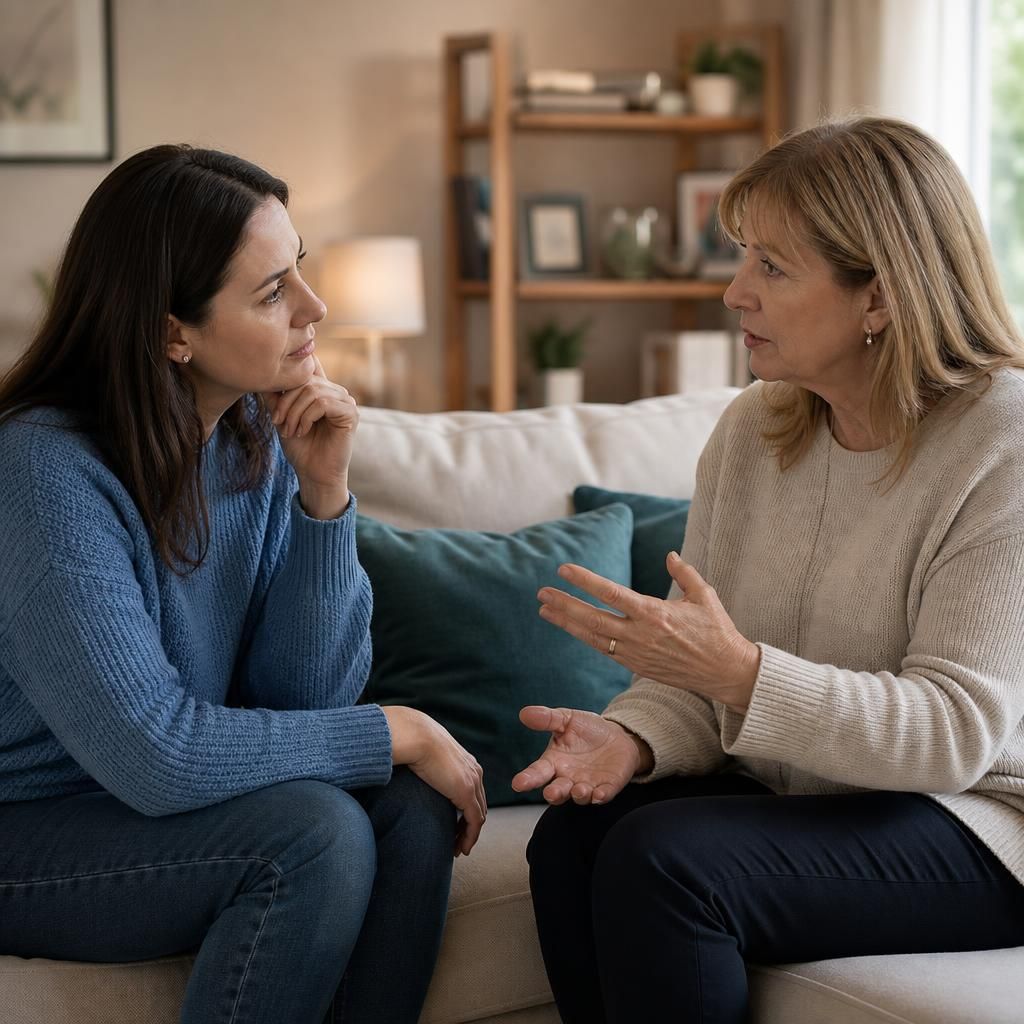
Preparation can also involve deciding who, if anyone, should be present during the clairvoyant medium reading. A trusted support person may help you remember the discussion, but they should understand that the reading is intended for you and avoid answering questions or supplying information on your behalf. If another person is included, agree their role before the session so their comments do not unintentionally influence the exchange.
Consider any communication needs that could affect your participation, such as difficulty hearing a phone conversation or needing additional time to process information. Telling the service about relevant practical requirements in advance can help you engage with the reading more accurately. The aim is to create conditions in which you can listen, ask for clarification and form your own view of what is said.