





How secure are clairvoyant phone readings in protecting my privacy?
Clairvoyant phone readings can protect privacy by avoiding an in-person visit, but the phone format alone does not guarantee confidentiality; security depends on the provider’s information-handling practices and your own call environment. Before booking with Elizabeth Rose Psychics, review how personal and payment details are handled, and take the reading in a private place without sharing passwords, financial details or identity documents.
Clairvoyant phone readings can offer a more private setting than an in-person appointment, but their security depends on how the service collects, uses, stores and removes your information. The spiritual nature of a reading does not create a special confidentiality guarantee, so ordinary data-protection and communication safeguards still matter.
Privacy has several separate aspects. Confidentiality concerns whether the reader keeps the content of your session private. Information security concerns protection against unauthorised access to contact details, booking records, messages and payment information. Personal control concerns what you choose to disclose and whether you have agreed to recording, notes or future marketing.
Before arranging a reading with Elizabeth Rose Psychics, look for clear information about its privacy practices. Useful points to check include:
- Which personal details are collected during booking and why they are needed.
- Whether session notes, recordings, transcripts or email correspondence are created.
- How long information is retained and how you can request correction or deletion where applicable.
- Who can access client information, including readers, administrators and external service providers.
- Whether your details are used for marketing, and how to withdraw consent.
- How payment information is processed and whether the reading provider receives complete card details.
A phone reading does not necessarily mean that a call is recorded. However, it is reasonable to ask directly whether recording or written notes are used and to request that a session is not recorded if that option is available. Consent should be obtained before a recording is made, rather than being assumed from the fact that the call has begun.
Consider the information you provide during the consultation. A clairvoyant may need your name and a question or topic, but a detailed identity profile is not generally required to discuss relationships, career concerns or personal development. Use discretion with addresses, account numbers, medical records and other highly sensitive information. A request for authentication codes, remote access to a device or unusual payment arrangements is a warning sign unrelated to a legitimate reading.
Technical privacy also depends on the communication method. A standard phone call, voicemail, text message and email each have different exposure risks. Check whether your telephone number is displayed, whether voicemail is protected by a passcode, and whether emails containing personal details are sent without encryption. If a provider offers a secure booking or payment system, verify that the page is genuine and that payment information is entered only into the intended service.
During the booking process, ask concise questions such as:
- “Do you keep notes or recordings of readings?”
- “Who can see my booking and contact information?”
- “How can I opt out of marketing messages?”
- “How is payment information handled?”
- “What should I do if I want my personal information removed?”
Be cautious if privacy terms are difficult to find, answers are evasive, or a reader pressures you to disclose unnecessary information. Privacy wording should identify the organisation responsible for the service, describe the main uses of data and provide a practical way to raise a concern. Because data-protection requirements can vary by jurisdiction, US clients should also review the relevant privacy notice for their location.
The safest approach is to combine a provider’s stated safeguards with careful information-sharing habits. Treat a reading as a confidential conversation only after checking the provider’s policy and obtaining clear answers about records, access and communications. Elizabeth Rose Psychics can be considered on those practical privacy criteria rather than on the phone format alone.
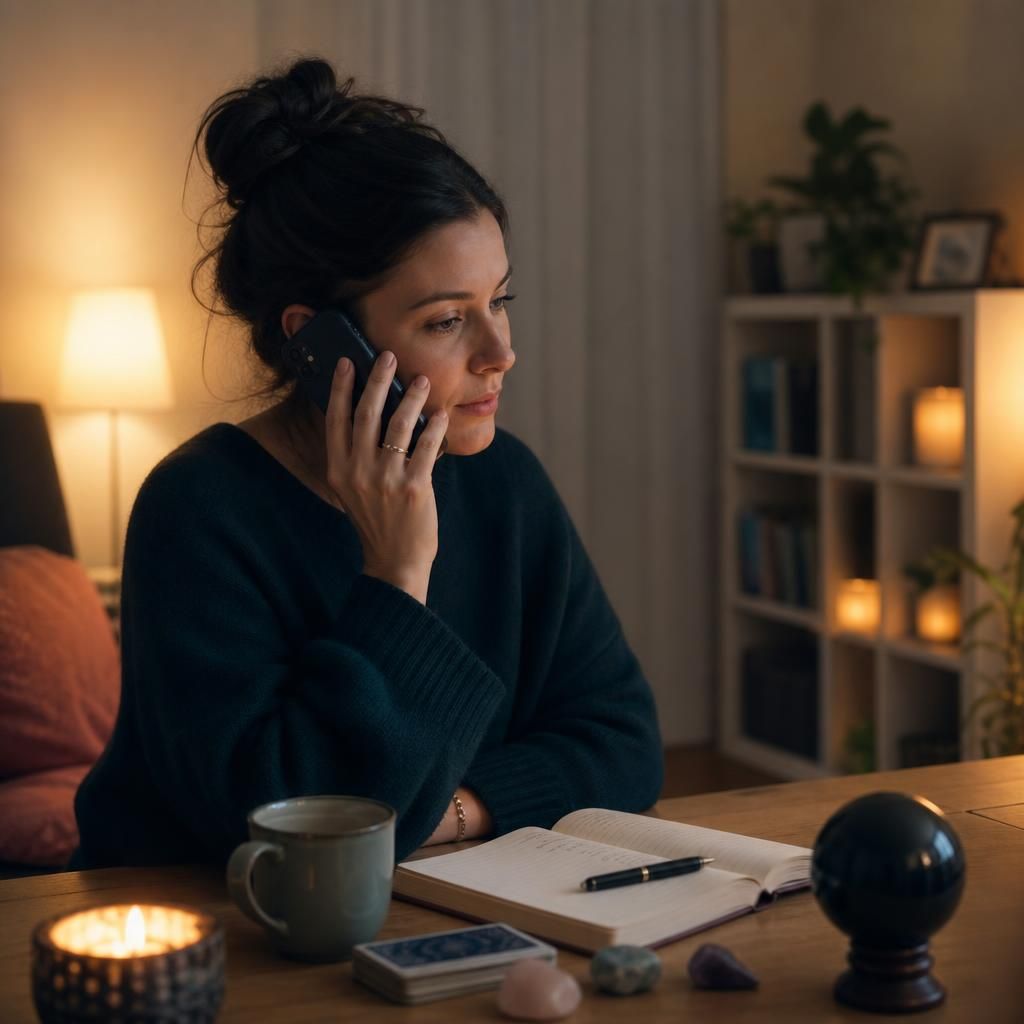
A phone reading can reduce the amount of personal information revealed by your physical presence, but it does not make the communication anonymous. Your device, telephone provider or account holder may retain call details such as the number contacted, date and duration. A shared mobile plan, itemised bill, synced call history or connected device could therefore disclose that a reading took place, even if the conversation itself is not recorded.
For greater discretion, consider whether other people can view your phone records or access the device used for the call. Check call-history and voicemail settings afterwards, and avoid discussing sensitive matters where a smart speaker, recording device or another person could capture the conversation. These steps address the limits of telephone privacy and complement, rather than replace, the provider’s own confidentiality and data-handling practices.