






What should I consider when deciding between different types of psychic readings, such as clairvoyance, tarot, or astrology?
Choose a psychic reading by considering the question you want to explore, the style of guidance you prefer, and whether you want an intuitive interpretation, symbolic tools, or a time-based perspective. Clairvoyance focuses on perceived impressions, tarot uses cards to structure reflection, mediumship centres on communication with spirits, and astrology interprets birth-chart patterns, so the most suitable option depends on your purpose and expectations.
Choosing between clairvoyance, tarot, astrology and mediumship is mainly a question of fit: match the reading method to the type of guidance you want, the way you prefer information to be explored, and the level of structure you find useful. No single method is universally better than the others, and a reading should be treated as an interpretive service rather than a guaranteed prediction or substitute for professional advice.
Start with the purpose of the reading. Before booking, define the subject as clearly as possible. A broad concern such as feeling uncertain about the future may suit an exploratory reading, while a specific question about a relationship, career decision or recurring personal pattern may benefit from a more focused consultation. Consider whether you want to understand your present circumstances, examine possible influences, reflect on choices, or explore spiritual themes. A clear purpose helps the reader keep the session relevant.
Consider how you prefer guidance to be presented. Clairvoyant readings generally rely on the practitioner’s intuitive impressions and their interpretation of what emerges during the consultation. This can suit someone who wants an open-ended discussion rather than a system based on fixed symbols. Tarot introduces a visible structure through the cards, which can help organise a question into themes, influences, options and potential developments. Astrology uses chart-based information to examine patterns connected with planetary positions and timing. Mediumship has a different focus, centred on perceived communication with spirits rather than general decision-making.
Assess how specific or structured you want the session to be. Tarot may feel appropriate when you want to examine several aspects of one situation in sequence, such as the current position, possible obstacles and factors to consider. Astrology may be more suitable if you are interested in longer-term patterns or periods of change. Clairvoyance can be considered when you prefer the consultation to develop from intuitive impressions rather than from cards or a birth chart. These distinctions describe the tools and framework used; they do not determine the exact content or quality of an individual reading.
Think about the kind of question you are asking. Questions beginning with “How can I approach this?” or “What should I understand about this pattern?” tend to encourage reflection and practical interpretation. Questions seeking absolute certainty, exact dates or guaranteed outcomes may create unrealistic expectations, because psychic readings involve interpretation and personal judgement. A useful consultation can highlight possibilities, influences and areas for consideration without removing your responsibility for decisions.
Review the reader’s approach before choosing a service. Look for a clear explanation of the method used, the subjects covered and what the session is intended to provide. A reputable practitioner should allow you to ask questions about the process and should not pressure you to accept additional services or make immediate decisions. Be cautious of claims that a reading can guarantee a particular result, resolve a medical issue, replace legal or financial advice, or remove a problem for a fee.
Check whether the format suits you. Phone readings allow a direct spoken exchange, which may be useful when you want to ask follow-up questions and clarify an interpretation as the session develops. Email readings provide written information that you can review later, which may suit someone who prefers time to consider the wording. When comparing options, check whether you can provide background information, ask questions, and receive an explanation of how the chosen method will be applied. Elizabeth Rose Psychics provides professional psychic readings by phone and email for people throughout the USA.
Decide whether one method is enough. Some people choose one form of reading for a specific purpose rather than combining several systems. Others may compare approaches, provided they understand that different readings can produce different interpretations. Combining methods does not automatically make guidance more accurate. If you do use more than one, keep the original question consistent and compare the reasoning behind each interpretation instead of looking only for the answer you prefer.
Prepare information without trying to direct the outcome. Write down the main question, relevant context and any points you do not want to overlook. Avoid giving more personal information than is necessary, particularly if you are unsure how it will be used. During the reading, distinguish between what the practitioner directly interprets, what you recognise from your own circumstances, and what remains uncertain. Taking notes can help you assess the guidance afterwards rather than making a decision during the session.
Use the reading as one source of reflection. A reading may offer a different perspective on relationships, career choices or personal growth, but practical decisions should also take account of evidence, professional expertise and the people directly affected. Health concerns require qualified medical guidance, while legal, financial and safeguarding matters require the appropriate specialist support. The most suitable psychic reading is therefore the one whose method, scope and format match your question while leaving you able to evaluate the guidance independently.
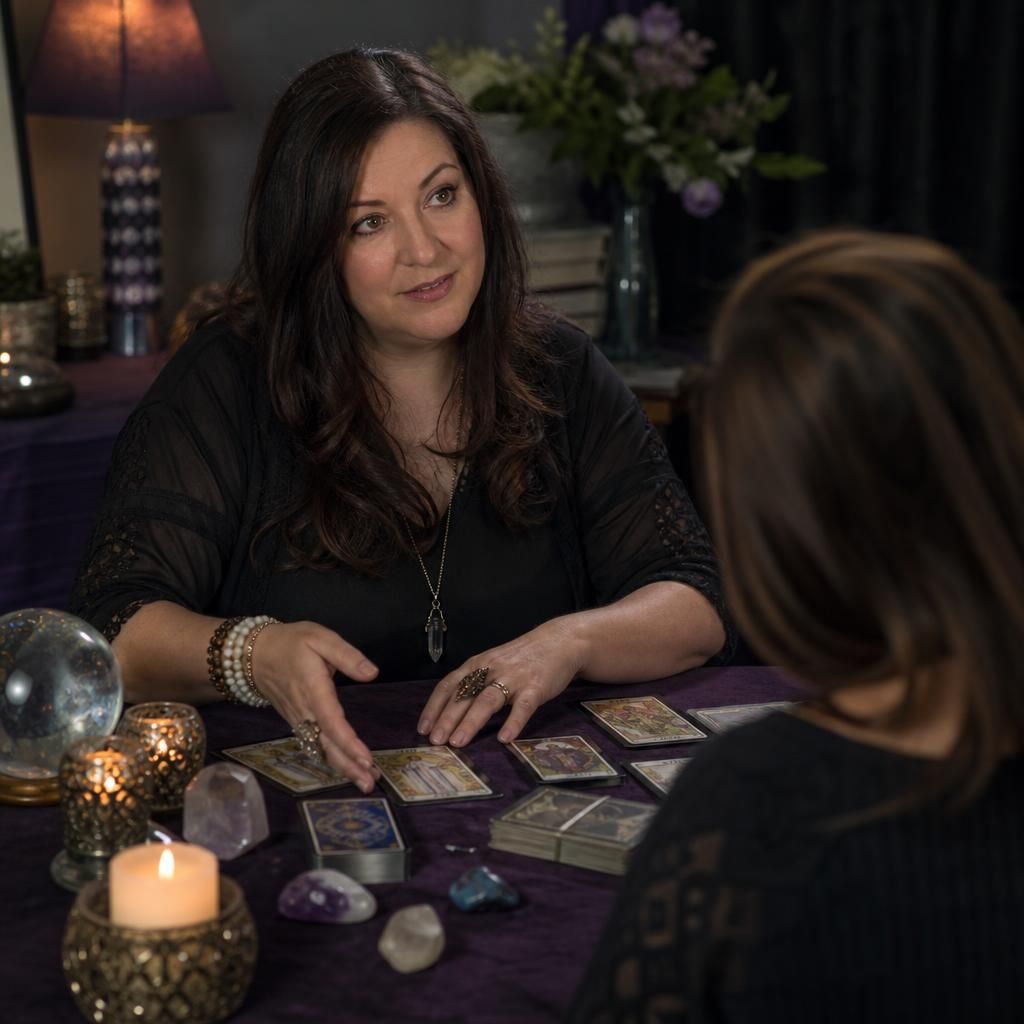
Another practical consideration is the information available before the reading. Astrology usually requires birth details so the practitioner can work from a natal chart and examine planetary patterns. Tarot does not depend on birth data; the cards provide a symbolic framework for the question you bring. Clairvoyance generally begins with the subject and context you choose to discuss, while mediumship is selected when your main interest is perceived communication with spirits. If you do not have accurate birth information, or prefer not to share much personal context, this may influence which format feels most suitable.
Consider also how you want to participate. A reading can be more useful when you can explain the issue, identify what you want clarified and distinguish relevant facts from assumptions. This does not mean directing the interpretation towards a preferred answer. It means giving the practitioner enough context to understand the scope of your question while retaining space for an independent interpretation.