


How do I prepare for a clairvoyant real reading session?
Prepare for a clairvoyant real reading session by choosing a quiet setting, reflecting on the areas you want to explore, and noting specific questions in advance. Stay open to insights while treating the reading as a source of perspective rather than a substitute for professional medical, legal or financial advice.
Preparing for a clairvoyant reading involves organising your thoughts, understanding the purpose of the session and setting appropriate boundaries for the information you receive. Good preparation does not require special knowledge or spiritual experience; it helps you communicate clearly and assess the reading thoughtfully.
Understand what you want from the session. Clairvoyant readings are commonly used to explore themes such as relationships, work, personal direction and emotional patterns. Decide whether you are looking for broad insight, another perspective on a decision or help identifying issues that may need further reflection. A clear purpose makes it easier to recognise which parts of the discussion are relevant to you.
Separate facts from assumptions. Before the reading, make a brief note of information you already know about the situation. Distinguish confirmed facts from fears, hopes and predictions you have made yourself. This can help you listen without unconsciously filling gaps or interpreting every general statement as a definite message.
Consider how much personal information to share. You can choose what to disclose and what to keep private. If you want to assess the clairvoyant’s impressions independently, give only the background needed to explain your question and avoid supplying unnecessary clues. Conversely, relevant context may help prevent an ambiguous point from being misunderstood. There is no requirement to discuss subjects that make you uncomfortable.
Set boundaries before the session begins. Decide which subjects are suitable for discussion and identify topics you do not wish to cover. You may also choose how you would like difficult information to be communicated. A reading should be treated as a voluntary conversation: you can pause, decline to answer, correct a misunderstanding or end a line of discussion if it feels inappropriate.
Use precise, open questions. Questions that invite explanation are generally more useful than those seeking a simple yes or no. For example, instead of asking whether a particular person is “the one”, you might ask what relationship patterns you should examine or what factors could affect the connection. Avoid presenting a preferred answer as part of the question, because this can make it harder to distinguish independent insight from your own expectations.
Prepare a practical way to record the discussion. Keep a notebook nearby or ask whether you may make your own notes. Write down key themes, questions raised and any points that require later reflection. If you are considering an audio recording, request permission first and respect the reader’s policy. Notes are usually more useful when they capture the meaning of a message rather than attempting to reproduce every word.
Allow for uncertainty. Clairvoyant information may be expressed through symbols, impressions or possibilities rather than precise, verifiable events. Ask for clarification when a statement is unclear, and do not pressure the reader to provide an exact date or guaranteed result. Treat predictions as material for consideration, not as fixed instructions about what must happen.
Check your emotional readiness. Postpone the session if you are too distressed, intoxicated or pressured to make decisions freely. A reading should not be used to replace qualified medical, mental-health, legal or financial support. If a subject involves immediate safety, serious symptoms, legal obligations or significant financial risk, consult the relevant professional as well.
Plan time to reflect afterwards. Avoid making major decisions solely because of a reading. Review your notes when you feel calm, identify which observations are practical and relevant, and compare them with evidence from your circumstances. You may find it helpful to turn useful themes into ordinary actions, such as having a clearer conversation, researching an option or setting a personal boundary.
For a remote session with Elizabeth Rose Psychics, phone and email readings provide ways to receive clairvoyant guidance without attending a physical location. Whichever format you use, preparation is most effective when it supports clear communication, personal choice and careful reflection rather than an expectation of certainty.
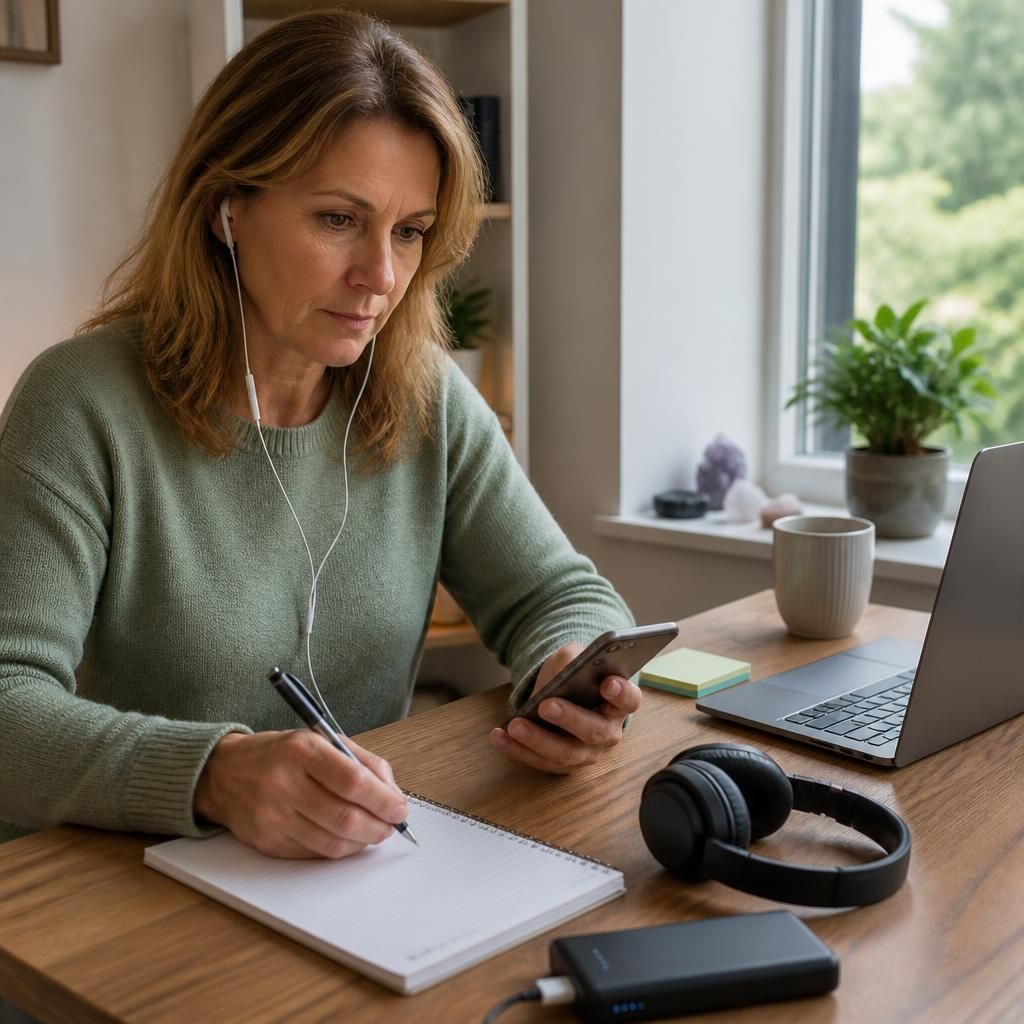
Practical preparation is also important for a remote clairvoyant reading. Check the contact details you will use, make sure your phone or computer is sufficiently charged, and test the connection if the session involves an online call. For a phone reading, headphones may make it easier to hear clearly and avoid holding the device throughout the conversation.
If you are receiving guidance by email, review your message before sending it and make sure each question is expressed clearly. Keep a copy of what you submit so you can compare the written response with your original concerns. These simple checks reduce avoidable distractions and help keep your attention on the content of the reading.