


What techniques can enhance clairvoyance ability?
Techniques that may support clairvoyance include focused meditation, visualisation, grounding exercises and keeping a detailed journal of images or impressions. Regular practice, careful observation and reviewing impressions against later information can help distinguish intuitive perception from imagination or expectation.
Beyond basic concentration practices, developing clairvoyance involves improving how you notice, classify and interpret inner visual information. The most useful methods focus on discrimination rather than simply producing more images: they help you separate a spontaneous impression from memory, expectation, imagination or an emotional reaction.
- Separate perception from interpretation. When an image appears, describe its observable features before assigning meaning. For example, note colour, shape, movement, distance and emotional tone separately from an interpretation such as “this represents a journey”. This reduces the risk of turning an unclear impression into a definite claim too quickly.
- Identify your personal visual language. Symbols do not have identical meanings for everyone. A house, bird or doorway may carry a particular association based on your experiences. Consider what a symbol means to you before relying on standard psychic or tarot interpretations. Over time, recurring personal associations can make impressions easier to understand.
- Practise with concealed targets. Use photographs, objects or simple pictures that you cannot see in advance, then describe the first visual qualities that arise. The target should be selected by somebody else or placed in an envelope so that your expectations do not shape the exercise. Begin with broad characteristics, such as a natural or built setting, rather than trying to name the exact object.
- Use controlled, single-focus exercises. Work with one clear question or target at a time. Multiple questions encourage the mind to connect unrelated images and make interpretation less precise. A defined beginning and end also helps you recognise when you are generating possibilities rather than receiving a distinct impression.
- Strengthen visual memory. Study an object briefly, put it out of sight and reconstruct its colour, proportions, texture and position. Compare the reconstruction with the original afterwards. This develops the ability to hold visual detail without repeatedly looking at the source, while also revealing which details your memory tends to alter.
- Explore dream and transitional imagery carefully. Images arising between sleep and wakefulness, or during dreams, can feel vivid but may also reflect ordinary memory processing. Note recurring motifs and emotional contexts without treating every dream as a clairvoyant message. The aim is to recognise patterns in your own imagery, not to assume that unusual content predicts an event.
- Test impressions without leading prompts. In practice readings, avoid asking questions that suggest a preferred answer. Neutral wording makes it easier to assess whether an impression arose independently or was influenced by the client’s description, tone or reaction. This is particularly important when working with emotionally significant subjects.
- Invite informed feedback. A trusted practice partner can tell you which descriptions were relevant, unclear or unsupported, provided they do not disclose the target beforehand. Feedback is most useful when it is specific and proportionate; a vague resemblance should not be treated as an exact confirmation.
Clairvoyant development also depends on recognising conditions that distort perception. Strong anxiety, fatigue, grief, pressure to be accurate and a desire to satisfy another person can all make ordinary thoughts feel unusually significant. Pausing a session when concentration has deteriorated is more reliable than forcing additional impressions. Alcohol and recreational drugs should not be used to produce psychic experiences, as they can impair judgement and make interpretation less dependable.
For people who use clairvoyance professionally, a consistent method is more valuable than dramatic experiences. A sound process includes explaining that impressions are subjective, distinguishing possibilities from facts, avoiding definitive statements about medical or legal matters, and allowing the client to make their own decisions. Ethical boundaries do not weaken clairvoyance; they limit suggestion and create clearer conditions for assessing what an impression may mean.
No technique can guarantee psychic accuracy or establish that an image has a supernatural source. The practical aim is to improve attention, symbolic understanding and self-awareness while applying reasonable checks. If visual experiences occur involuntarily, cause distress or continue outside intentional practice, seek advice from a qualified health professional rather than interpreting them solely as clairvoyant ability.
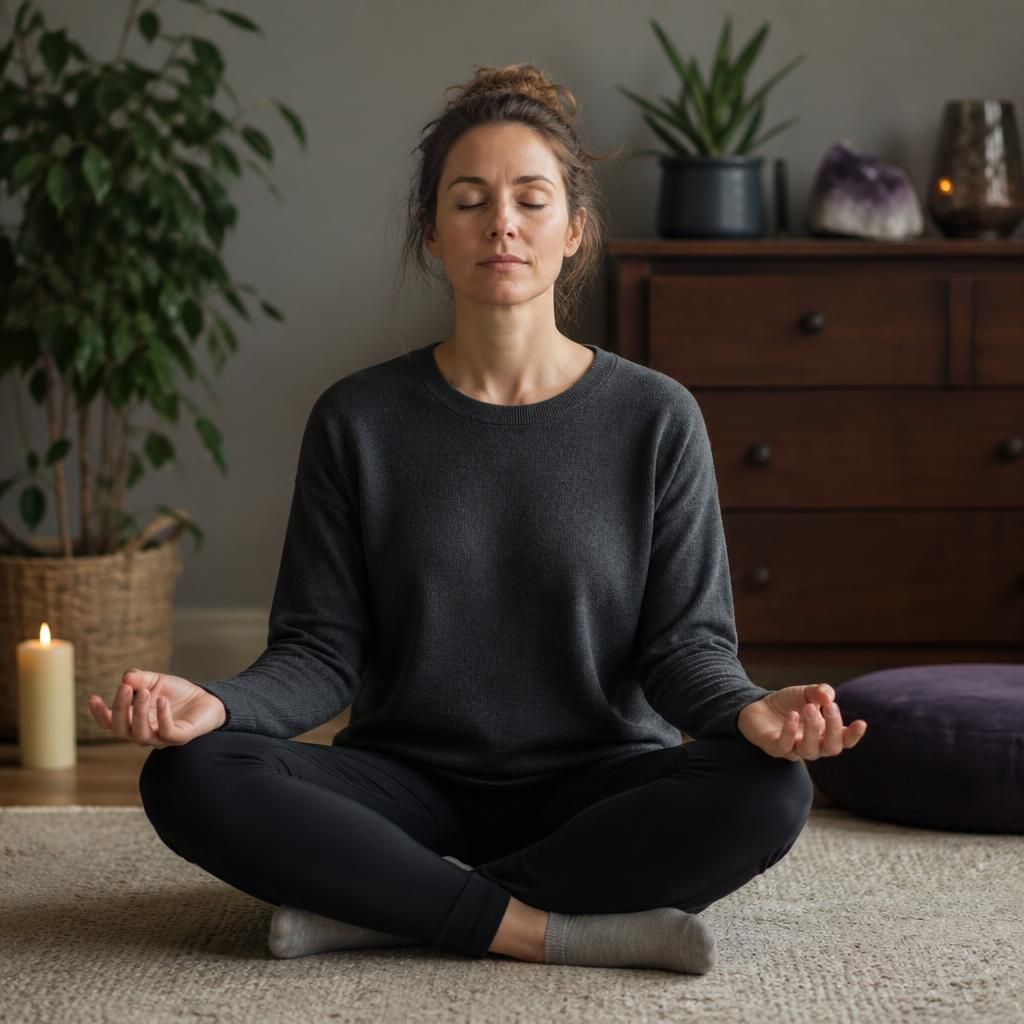
Open-monitoring meditation can support clairvoyance practice by training attention to notice images, colours and visual fragments without immediately pursuing or explaining them. Unlike visualisation, which deliberately creates an image, open monitoring allows mental content to arise naturally and treats each impression as provisional.
- Sit comfortably and observe thoughts, sensations and images without trying to produce a particular result.
- When a visual impression appears, label it briefly as “image”, “memory”, “thought” or “sensation”, then return to observing.
- Notice whether it remains stable, changes rapidly or disappears when attention shifts.
- End the exercise by recording only what occurred, without assigning symbolic meaning until later.
This approach helps reduce the tendency to mistake deliberate imagination for spontaneous imagery. It does not prove that an impression has a psychic source, but it can improve awareness of how visual experiences arise and change during practice.