


How do astrological elements influence romantic compatibility in horoscopes?
In astrology, the four elements—fire, earth, air and water—describe contrasting approaches to emotion, communication and relationships, shaping how zodiac signs may naturally connect. Fire and air are often considered energising together, while earth and water can offer mutual stability; however, a full horoscope comparison is needed to assess compatibility beyond sun signs.
Astrological elements influence romantic compatibility by describing the basic style a person brings to intimacy, conflict, communication and shared life. They do not determine whether a relationship will succeed. Instead, they provide a symbolic framework for identifying natural rapport, likely misunderstandings and areas where two people may need to adapt.
Elemental compatibility is assessed through the whole birth chart rather than the Sun sign alone. A person may express more than one element strongly, particularly through the Moon, Ascendant, Venus and Mars. The Sun can describe conscious identity, while the Moon reflects emotional needs, Venus relates to affection and attraction, and Mars indicates desire and the way a person pursues what they want. Comparing these placements can produce a more precise picture of romantic dynamics than comparing two star signs in isolation.
Fire signs tend to approach relationships through initiative, enthusiasm and direct expression. They may value movement, confidence and a sense of possibility. In compatibility terms, they often respond well to partners who respect independence and are willing to engage actively with life. Difficulties can arise when enthusiasm becomes impatience, when directness feels insensitive or when one partner experiences the other as overly demanding of attention.
Earth signs generally express affection through reliability, practical support and consistency. They may prefer to establish trust gradually and judge commitment by what a partner does as well as what they say. This can create a dependable foundation, but an earth-oriented person may find rapid changes or highly abstract emotional discussions unsettling. A partner may, in turn, interpret caution as a lack of passion when it is actually a preference for security and tangible evidence.
Air signs commonly process attraction and relationship issues through conversation, ideas and social exchange. Mental stimulation can be an important part of their romantic interest. They may need room to discuss a problem before deciding how they feel about it. This approach can be misunderstood by someone who seeks immediate emotional reassurance, while an air-oriented partner may feel constrained by possessiveness or communication that leaves no room for discussion.
Water signs often place emphasis on emotional sensitivity, intuition and psychological closeness. They may notice tone, mood and unspoken implications, and can seek a relationship that feels emotionally meaningful. Their responsiveness can support intimacy, although it may also lead to hurt feelings when boundaries are unclear or when assumptions replace direct communication. Partners benefit from stating needs plainly rather than expecting them to be inferred.
The most useful comparison is not simply whether two signs share an element. Signs with a similar elemental emphasis may understand one another quickly, but they can also reinforce the same blind spots. Two people who both favour spontaneity may struggle with planning, while two highly security-focused partners may avoid necessary change. Similarity can create ease, but it does not remove the need for self-awareness.
Different elemental emphases can be complementary when each person respects the other’s operating style. One partner may encourage action, another may provide practical structure, another may introduce perspective, and another may deepen emotional awareness. The same differences become difficult when they are treated as flaws. For example, a need for analysis should not automatically be labelled as emotional detachment, and a strong emotional response should not automatically be dismissed as irrationality.
Astrologers also consider the balance of elements within each individual chart. A person with very little representation of one element may be drawn to partners who display it strongly, because that quality feels unfamiliar or useful. However, attraction to an underdeveloped quality can produce both fascination and friction. The partner may model a way of responding that expands the relationship, but may also appear confusing if the two people lack a shared vocabulary for it.
Elemental tension is not necessarily a negative indication. It can show where a relationship requires translation between different needs. Practical steps may include agreeing how much discussion is helpful during conflict, making emotional expectations explicit, allowing space for independent interests and distinguishing a difference in style from a lack of care. Compatibility is stronger when both people can adapt without abandoning their core values.
For a careful horoscope comparison, begin with the Sun signs, then examine the Moon, Venus and Mars elements, the Ascendants and any repeated patterns. Give particular attention to whether one element dominates the chart, whether a partner’s placements activate that pattern and whether difficult planetary contacts modify the elemental tone. The result should be treated as a guide to tendencies rather than a verdict on the relationship. Personal values, communication habits, circumstances and mutual choices remain more decisive than elemental symbolism alone.
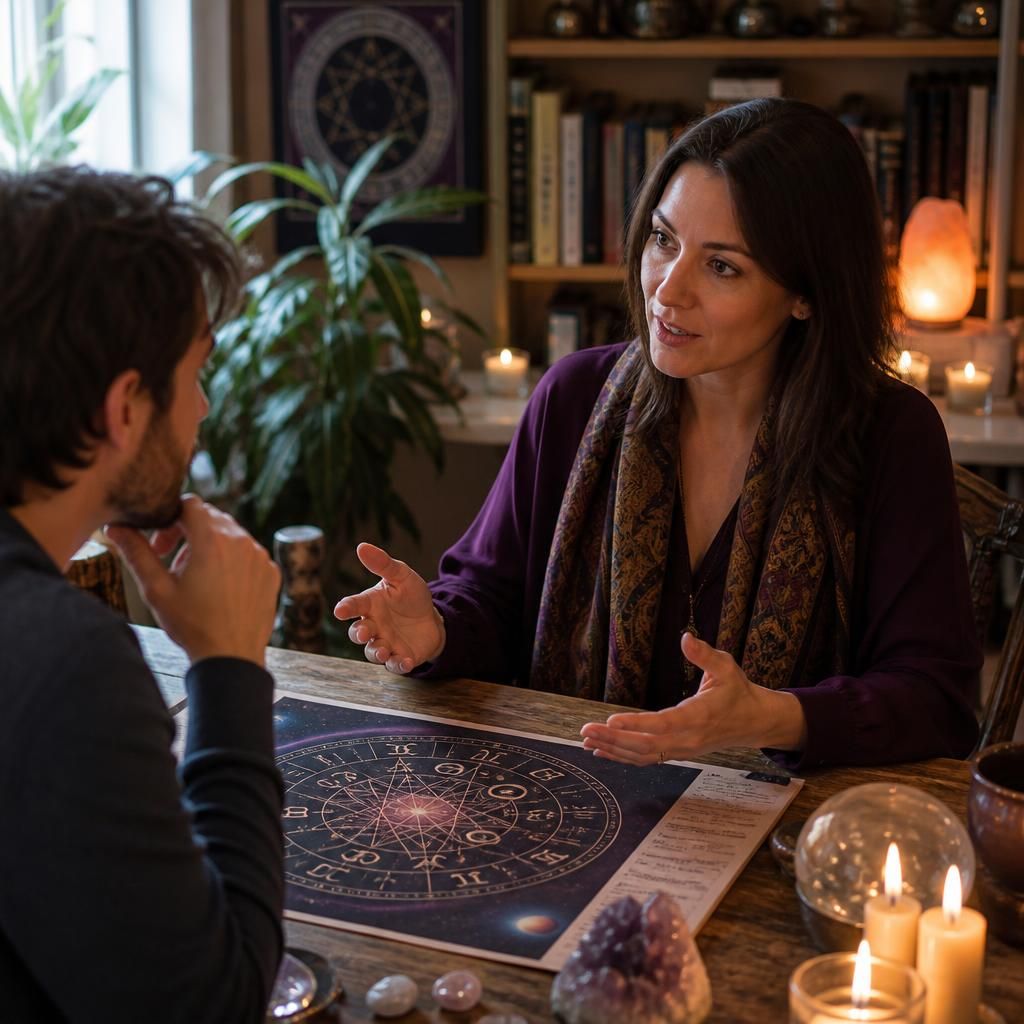
Astrological elements influence different parts of romantic compatibility depending on which planets carry them. The element of Venus can describe how affection is expressed and received, while the element of Mars can indicate the style of desire, pursuit and disagreement. The Moon’s element is especially relevant to emotional security, because it can show what helps a person feel understood and settled.
This distinction prevents a simple elemental pairing from being interpreted as a complete compatibility result. For example, two people may have contrasting Sun elements but share compatible Moon or Venus elements, creating emotional understanding or similar expectations of affection. Conversely, a harmonious Sun-sign pairing may still involve tension if Venus and Mars express attraction, boundaries or conflict in noticeably different ways.
- Sun element: compares identity, confidence and general relationship style.
- Moon element: highlights emotional responses and comfort needs.
- Venus element: concerns affection, attraction and relationship preferences.
- Mars element: relates to initiative, passion and the handling of friction.
When reading a horoscope comparison, assess whether the elemental pattern supports the specific area being considered. Similar Moon elements may support emotional familiarity, whereas complementary Venus and Mars elements may create attraction through difference. These patterns describe possible dynamics rather than fixed outcomes, so they are most useful when compared with the couple’s actual communication habits and values.