


Are phone medium readings suitable for addressing urgent or time-sensitive concerns?
Phone medium readings may offer spiritual perspective on urgent or time-sensitive personal concerns, but they should not replace emergency services, medical care, legal advice or other qualified professional guidance. For immediate risks or decisions with serious consequences, contact the appropriate emergency or professional service first, and treat any reading as reflective rather than definitive.
Phone medium readings can be suitable for urgent personal concerns when the aim is reflection, emotional clarity or spiritual perspective rather than an immediate factual decision. A reading may help you explore how you feel, consider different interpretations and identify questions to discuss with the relevant people or professionals. It should be treated as one source of personal insight, not as a substitute for evidence, specialist assessment or practical action.
Whether a reading is appropriate depends on the nature of the concern. Time-sensitive does not always mean dangerous. For example, you may be facing a relationship conversation, a career decision, uncertainty about contacting someone, or a significant personal choice with a deadline. In these situations, a phone session can provide a structured opportunity to pause and examine your assumptions before acting. The value lies in reflection and perspective, rather than in receiving a guaranteed prediction about what will happen.
Mediumship can also be emotionally significant when a concern involves grief, remembrance or a desire to feel connected with someone who has died. However, the experience is subjective. A medium cannot establish facts to the same standard as documentary evidence, and any information that seems relevant should be considered thoughtfully rather than accepted automatically. If a decision depends on confirming an identity, event or obligation, use reliable independent sources as well.
Some concerns are unsuitable for relying on a phone medium reading. If there is an immediate threat to someone’s safety, a serious health symptom, a mental health crisis, suspected abuse, a legal deadline or a financial decision with substantial consequences, use the appropriate qualified service first. A reading may be considered separately as a reflective conversation, but it should not delay treatment, protection, reporting, legal advice or other necessary action.
For a non-emergency issue where timing matters, prepare a focused outline before the call:
- Write down the decision or situation in one sentence.
- Separate what you know from what you fear, suspect or hope will happen.
- Identify the practical deadline and the actions that cannot reasonably be postponed.
- Choose open questions that invite perspective rather than questions seeking certainty.
- Decide in advance which information you will verify independently afterwards.
Questions such as “What should I consider before responding?” or “What patterns may be influencing my judgement?” are generally more useful than demanding a definite yes-or-no prediction. You can also ask about your own choices and feelings rather than attempting to determine another person’s private thoughts. This keeps the session focused on areas where reflection may support your decision-making.
During a time-sensitive reading, keep notes and distinguish three things: what the medium says, what you personally interpret from it, and what can be checked in the real world. Avoid treating a specific prediction as a deadline or instruction. If the reading increases anxiety, encourages dependence, or conflicts with clear evidence and professional advice, pause before making any decision. You are not obliged to act on every statement made during a session.
A phone format may be practical when you need a private conversation without travelling, but convenience does not make the guidance more authoritative. The quality of a decision still depends on the seriousness of the issue, the reliability of the information available and your ability to consider alternatives. For urgent but non-dangerous concerns, use the session to organise your thoughts, then combine any spiritual perspective with direct communication, documentation and appropriate expert input.
In short, phone medium readings may be appropriate for personal reflection when timing is important but immediate safety or specialist intervention is not at stake. They are least suitable when you need verified facts, a professional diagnosis, legal protection or a guaranteed outcome. Keeping that distinction clear allows a reading to remain a voluntary source of insight without giving it responsibility for decisions that require qualified support.
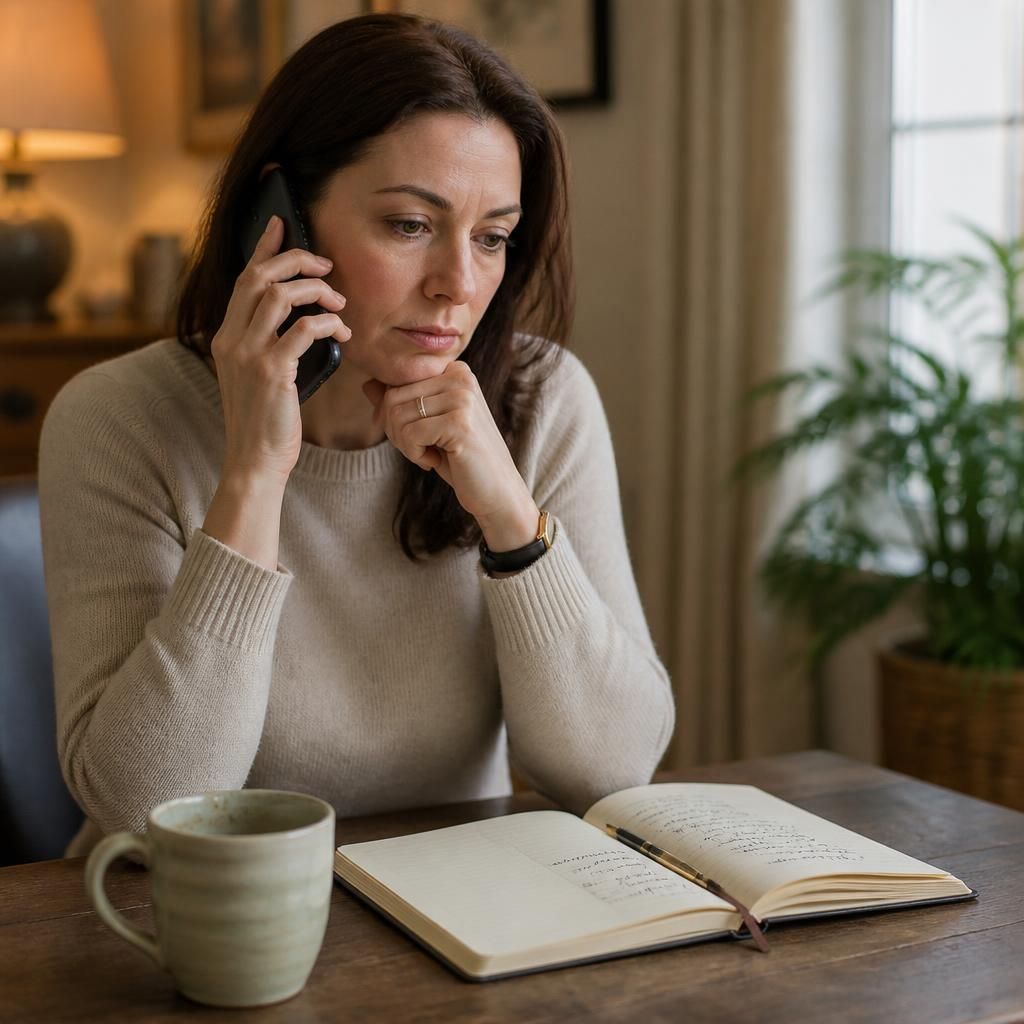
The reversibility of the decision is an important factor when considering a phone medium reading. A session may be more appropriate for a choice that can be reviewed or adjusted, such as deciding how to begin a difficult conversation. It is less appropriate as the basis for an irreversible commitment, withdrawal from essential support or an action that could significantly affect another person.
Before the session, identify what can be changed later and what cannot. For decisions with lasting consequences, allow time to review your options using relevant evidence and advice from qualified people. This approach keeps the reading in a proportionate role: it may contribute to personal reflection, but it should not become the deciding authority when the cost of an error is high.