




What types of dreams can be analysed in a dream psychic clairvoyant reading?
A dream psychic clairvoyant reading can analyse recurring dreams, vivid or lucid dreams, nightmares, symbolic dreams, and dreams involving people, places or events that feel unusually significant. The reading considers recurring imagery, emotional themes and personal circumstances to explore possible spiritual or intuitive meanings.
A dream psychic clairvoyant reading can examine dreams according to their structure, emotional tone, life context and the meaning the dreamer attaches to them. It may be suitable for dreams connected with change, grief, decisions, fears, spiritual imagery, bodily sensations or unusual sleep experiences, provided they can be described with reasonable detail.
Dreams linked to life transitions often provide useful material for interpretation. Examples include dreams about moving house, starting or leaving a job, entering a new relationship, separating from someone, returning to education or taking on unfamiliar responsibilities. The setting and action may reflect how the dreamer is adapting to uncertainty, independence, pressure or a changing sense of identity. A psychic reading may explore the personal and intuitive associations of these images rather than treating them as literal predictions.
Grief-related and visitation-style dreams can also be discussed. These may involve a deceased relative, a former partner, an absent friend or a familiar presence. The reading can consider the emotional quality of the encounter, what was said or left unsaid, and whether the dream relates to mourning, memory, unresolved feelings or a perceived spiritual connection. A responsible interpretation should distinguish an individual’s spiritual understanding from something that can be objectively confirmed.
Decision and problem-solving dreams may present alternatives, obstacles, journeys, conversations or competing courses of action. They can be relevant when someone is weighing a career choice, relationship issue or personal commitment. Rather than presenting the dream as a guaranteed instruction, interpretation can use its details as prompts for examining priorities, reservations and possible consequences. The dreamer’s waking circumstances remain essential to understanding what the imagery may represent.
Stress and anxiety dreams do not always take the form of a conventional nightmare. A person might dream of being late, unable to communicate, losing an important object, failing to complete a task or repeatedly trying to reach a destination. These patterns can be explored for themes of pressure, lack of control, self-criticism or avoidance. The significance depends on how the dream felt and whether similar concerns are present in daily life.
Gratifying, hopeful or creative dreams are equally suitable for analysis. Dreams involving achievement, reunion, artistic activity, travel or a peaceful landscape may reveal aspirations, emotional needs or qualities the dreamer wants to develop. A positive dream does not necessarily forecast an event; its value may lie in showing what feels meaningful, possible or missing in the dreamer’s current circumstances.
Highly sensory dreams can be examined when sound, colour, texture, temperature, taste or physical movement is especially prominent. For example, water may be experienced as cold and threatening in one dream but warm and calming in another. Interpretation should therefore avoid assigning one fixed meaning to an image. Sensory detail, personal memories and the surrounding action usually provide more useful context than a general dream dictionary.
Fragmented or incomplete dreams can still be discussed. Some people remember only a short exchange, a single object, a mood or the final moments before waking. A reading may focus on the strongest remembered element and the associations it produces. It is not necessary to recall an entire dream for it to be considered, although limited memory also means that any interpretation should remain tentative.
False awakenings, sleep paralysis and hypnagogic imagery require careful description because they can feel different from ordinary dreaming. A false awakening involves dreaming that one has woken, while sleep paralysis can include an inability to move during the transition between sleep and wakefulness. Images or sounds occurring as a person falls asleep or wakes may also be mistaken for a conventional dream. These experiences can be acknowledged in a psychic reading, but a reading is not a medical assessment and should not replace professional advice about persistent or distressing sleep symptoms.
Dreams with religious, spiritual or supernatural imagery may be meaningful to people with particular beliefs. A clairvoyant approach may explore the symbols through the dreamer’s spiritual framework, while recognising that the same figure or scene can carry different meanings for different people. Such a reading should not present an unverifiable interpretation as established fact, nor use spiritual language to create fear.
The most useful dreams to bring to a reading are those that remain memorable, provoke a strong reaction or connect with a question the dreamer is already considering. Useful details include the sequence of events, the people present, notable objects, the setting, physical sensations, emotions on waking and any recent circumstances that may have influenced the dream. The dreamer’s own associations should take priority over universal symbol lists, because personal history can change the meaning of an apparently familiar image.
Dream analysis is interpretative rather than diagnostic or predictive. It can offer a framework for reflection on themes and possibilities, but it cannot establish that a dream will come true, prove contact with another person or diagnose a psychological or physical condition. For recurring distress, severe sleep disruption or concerns about mental or physical health, a qualified healthcare professional is the appropriate source of assessment.
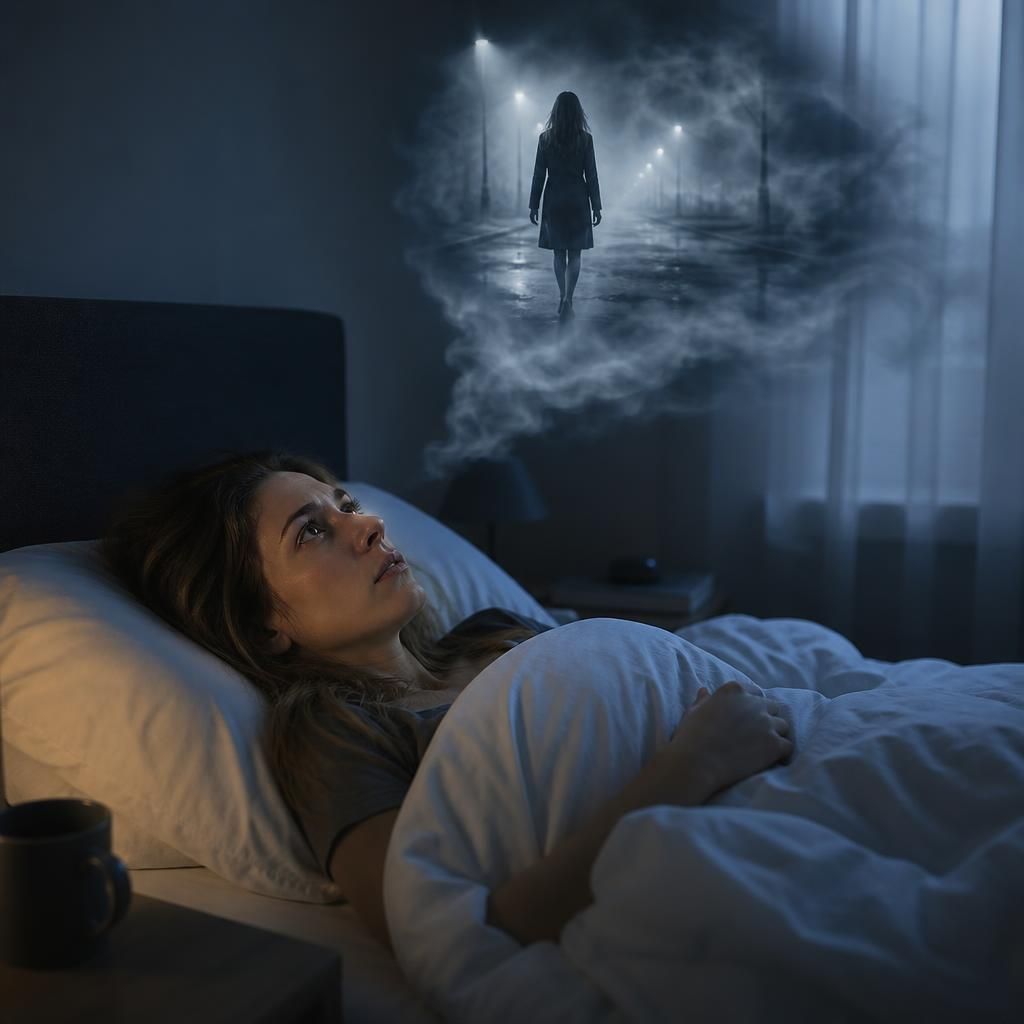
Trauma-linked dreams may replay a distressing event directly, alter its details, or represent it through unfamiliar people and settings. A dream psychic clairvoyant reading can examine changes in the storyline, the emotions attached to particular moments and any repeated themes, while treating the interpretation as personal reflection rather than proof of a hidden memory or a clinical explanation.
These dreams can be discussed whether they are exact re-enactments or more indirect versions of an experience. However, recurring distress, disrupted sleep or strong reactions after waking should be addressed with a qualified healthcare professional; a psychic reading is not a substitute for psychological assessment or treatment.