







What are the privacy measures taken for phone psychic readings?
Phone psychic readings should protect privacy through confidential conversations, discreet handling of personal information and secure booking practices. Elizabeth Rose Psychics focuses on keeping each consultation personal and private, without requiring clients to discuss their concerns publicly.
Privacy for a phone psychic reading depends on keeping the consultation one-to-one, limiting the personal information shared, and handling booking details carefully. Elizabeth Rose Psychics presents its phone consultations as personal and private, so clients can discuss relationship, career or personal concerns without having to raise them in a public setting.
Private communication
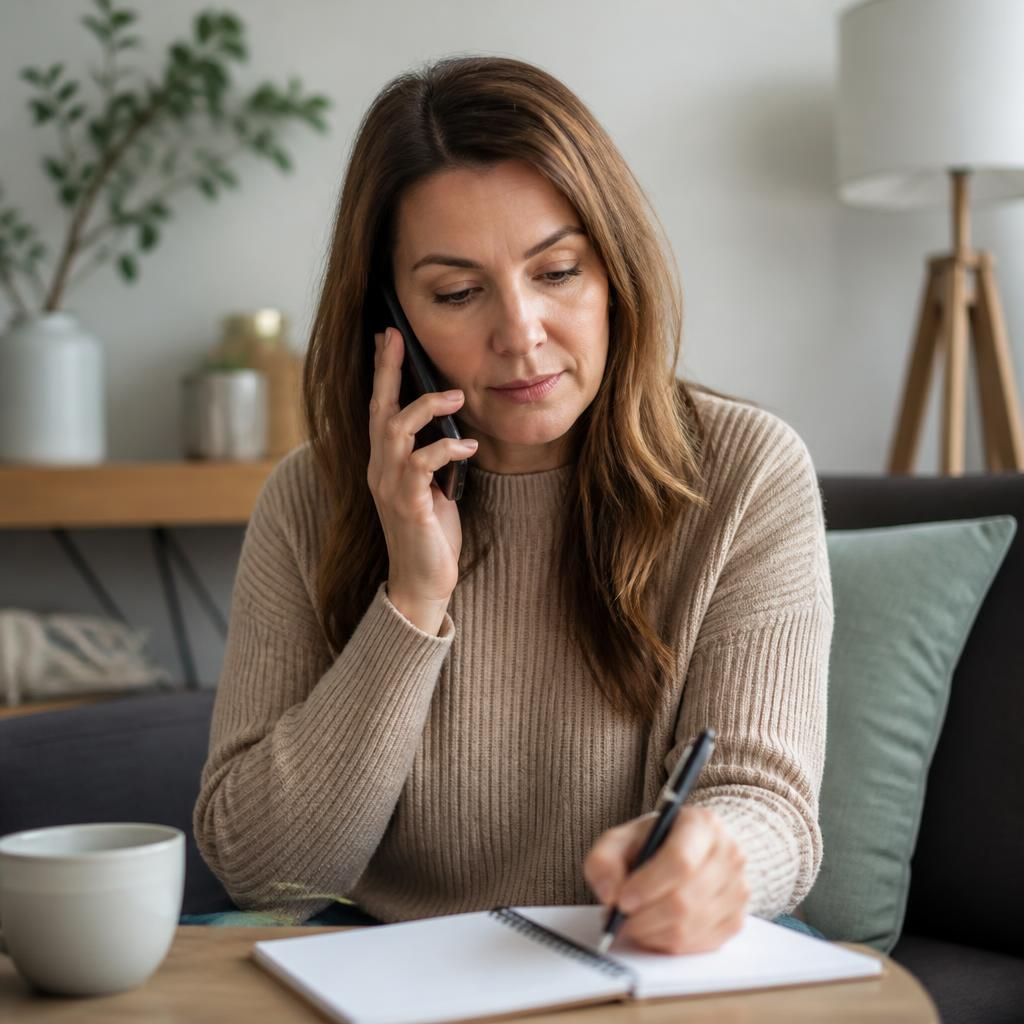
A phone reading takes place through a direct conversation rather than an open venue. This reduces the risk of other people overhearing a discussion compared with an in-person setting where reception areas or shared spaces may be involved. Clients can also choose a location where they are comfortable speaking privately, such as a room at home or another quiet place.
Privacy is still partly controlled by the client. Using headphones, checking who is nearby before beginning, and avoiding speakerphone in shared spaces can help prevent unintended disclosure. It is also sensible to avoid discussing highly sensitive information when another person may be listening.
Information shared during the reading
A psychic reading does not require a client to disclose every detail of their life. A reader can work with the specific question or area of concern the client chooses to present. Limiting identifying information to what is relevant helps the client retain control over the conversation and avoids sharing unnecessary details about themselves or other people.
Clients should avoid providing information that is not needed for the consultation, including passwords, banking login details, full payment-card data or copies of identity documents. A legitimate booking process should make clear which details are required to arrange and pay for the appointment and which are not.
Booking and payment considerations
Privacy applies before and after the call as well as during it. When arranging a reading, check how contact details, booking records and payment information are collected and used. The relevant privacy notice should explain matters such as:
- what personal information is requested during booking;
- why that information is needed;
- who may have access to it;
- how long records are retained; and
- how a client can request correction or deletion where applicable.
Do not assume that a phone conversation is recorded. If recording, written notes, transcripts or follow-up messages are used, the client should be told clearly and given the opportunity to understand the purpose. Clients can ask whether the reading itself is recorded and whether notes are kept after the consultation.
Practical questions to ask before booking
If privacy is particularly important, ask the service directly for its current policy before sharing sensitive details. Useful questions include whether calls are recorded, whether readers retain notes, how booking information is stored, what payment provider processes a transaction, and how to request removal of personal data. These questions distinguish confirmed privacy arrangements from assumptions about how an online service operates.
Elizabeth Rose Psychics’ stated approach is to keep each consultation personal and private. The most reliable way to understand the precise safeguards applying to a particular booking is to review the service’s privacy information and ask about any point that is not explained, especially recording, note retention and third-party access.
Phone privacy includes the call metadata as well as the conversation itself. A telephone provider or booking system may process details such as a caller ID, telephone number, email address or appointment reference. Before booking, check whether the service can limit who sees these details, whether messages use a discreet description, and whether your telephone number is displayed to the reader.
Clients can also review privacy settings on their own device, including caller-ID, voicemail and notification previews. Using a private voicemail greeting and disabling message previews on a shared device can reduce accidental disclosure. These steps complement the service’s stated approach of keeping consultations personal and private, but they do not replace checking how booking and call records are handled.