


How reliable are the different methods used in astrology and psychic readings?
The reliability of astrology and psychic readings depends on the method used, the practitioner’s skill and the limits of what the reading can establish. Astrology interprets birth-chart patterns, while psychic readings rely on intuitive or mediumistic impressions; neither should be treated as a guaranteed prediction or a substitute for evidence-based advice.
The reliability of astrology and psychic readings is best understood in terms of what a method can reasonably provide. Astrology offers a structured interpretation of symbolic data, while psychic approaches use intuitive impressions, spiritual practices or interpretive tools. They may help someone reflect on circumstances and possibilities, but they do not provide a dependable way to verify future events or establish objective facts.
Astrology readings are usually the most systematic of the methods because they work from defined inputs, such as a birth date, birth time and birth location. A natal chart describes the positions of planets and other chart factors at birth. A practitioner may then examine transits, progressions or other timing techniques to interpret periods associated with change, pressure or opportunity.
This structure can make two astrology readings easier to compare than two purely intuitive readings, but consistency of calculation does not prove that an interpretation is true. The result depends on the astrologer’s chosen tradition, the accuracy of the birth information and the judgement used to connect symbols with a person’s circumstances. Broad statements may feel relevant to many people, whereas a careful reading should explain the reasoning behind an interpretation and distinguish chart symbolism from a definite forecast.
Psychic readings cover several different practices, so their reliability cannot be assessed as if they were one method. Clairvoyant readings generally involve impressions, images or perceived information. Mediumship focuses on claimed communication with people who have died. Tarot uses the imagery and arrangement of cards as a framework for interpretation, while some practitioners combine intuitive impressions with astrology or other techniques.
These approaches differ in how much of the reading is recorded or repeatable. Tarot provides a visible spread that can be discussed and reviewed, although the meaning assigned to the cards remains interpretive. Clairvoyance and mediumship rely more heavily on the reader’s subjective impressions, which makes independent verification particularly important. A detail that can be checked against known information is more assessable than a general statement about personality or future possibilities.
What affects the quality of a reading?
- Method: A defined process, such as calculating a natal chart or documenting a tarot spread, gives the consultation a clearer basis for discussion than an unexplained assertion.
- Practitioner’s training and discipline: Knowledge of the selected system helps prevent basic errors, while disciplined interpretation reduces the risk of presenting speculation as certainty.
- Information supplied: In astrology, incorrect birth details can alter the chart. In any reading, extensive background information can also shape the interpretation, whether deliberately or unintentionally.
- Question quality: Specific, open questions usually produce more useful reflection than requests for an exact date, guaranteed outcome or single yes-or-no answer.
- Communication: A responsible practitioner should explain uncertainty, invite clarification and avoid forcing every detail to fit the client’s expectations.
- Personal circumstances: Stress, hope and fear can affect how a person interprets ambiguous information. A reading may seem more accurate because it confirms an existing concern, even when the statement is not independently specific.
Reliability by purpose also matters. For self-reflection, values clarification or considering different perspectives, a reading may be useful if it prompts the person to examine their choices thoughtfully. For factual questions, diagnosis, legal decisions, financial commitments or safety-critical matters, these methods are not reliable substitutes for qualified evidence-based guidance. A symbolic interpretation cannot confirm a medical condition, establish another person’s intentions or guarantee that a particular event will occur.
Relationship readings illustrate this distinction. Astrology may compare chart patterns or describe recurring interpersonal themes, and a tarot or psychic reading may highlight communication concerns or emotional possibilities. Neither method can determine what another person secretly thinks. Direct conversation, observable behaviour and appropriate professional support provide stronger ways to assess a relationship.
Career readings can similarly identify interests, perceived obstacles or alternative ways of viewing a decision. They cannot establish that one occupation will succeed or that a specific opportunity is destined to appear. Skills, qualifications, working conditions, financial information and independent career advice remain more dependable foundations for action.
How to assess a reading critically
- Ask which method is being used and what information it relies upon.
- Separate observations from predictions, and possibilities from claims of certainty.
- Note whether statements are specific enough to be tested rather than broadly applicable.
- Keep a dated record of predictions before events occur. This reduces selective memory and makes it easier to distinguish accurate statements from interpretations made after the fact.
- Be cautious if a reader uses fear, demands repeated consultations, claims exclusive authority or pressures you to make an immediate decision.
- Use the reading as one perspective, then check important decisions against evidence, expert advice and your own informed judgement.
The most defensible conclusion is that astrology and psychic readings vary in interpretive structure and practical usefulness, but none should be treated as a tested forecasting instrument. Astrology can offer a consistent symbolic framework; tarot can make reflection more concrete; clairvoyant and mediumistic readings may provide personally meaningful impressions. Their value depends on honest boundaries, clear communication and the reader’s ability to consider the information critically rather than accepting every statement as established fact.
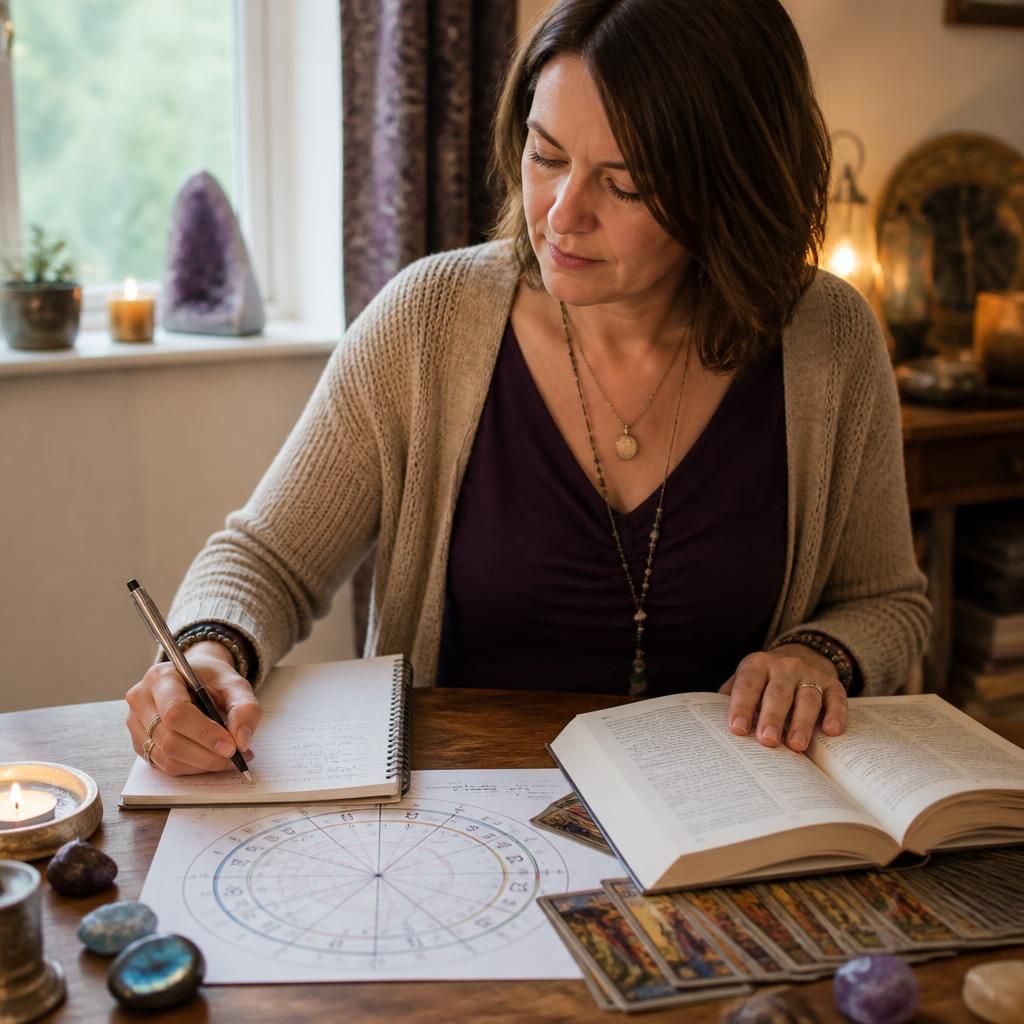
Reliability also depends on how a reading is conducted, not only on the tradition behind it. A responsible session should make clear which information comes from the stated method, which points are the reader’s interpretation and which conclusions cannot be verified. This distinction helps prevent an impression from being presented as established knowledge.
The process should also protect the client’s independence. A practitioner should not use certainty, fear or claims of special authority to influence decisions about health, finances, legal matters or personal safety. The reading is more appropriately treated as a reflective aid when the client remains free to question it, decline suggestions and compare its ideas with reliable information.
Explore a Personalised Astrology or Psychic Reading
If you would like to explore a question through a structured, personalised astrology or psychic reading, consider booking a consultation with Elizabeth Rose Psychics. Bring a specific question and treat the interpretation as one perspective to consider alongside reliable information and your own judgement.