








How can I effectively prepare for my clairvoyant reading to maximise its benefits?
Prepare for a clairvoyant reading by identifying the area of life you want to explore, noting specific questions and approaching the session with an open but discerning mind. Bring relevant context, while allowing the clairvoyant to interpret intuitive impressions rather than directing every answer.
The most effective preparation is practical, focused and non-directive: understand what a clairvoyant reading can and cannot provide, organise your thoughts, protect your privacy and create a reliable way to record useful impressions afterwards. Preparation should support your reflection without attempting to control or predetermine the reading.
Before the session, decide what you want to gain from it. This may be greater perspective on a decision, a way to reflect on recurring circumstances, or insight into patterns affecting your relationships or personal development. Keep this purpose broad enough for relevant impressions to emerge rather than treating the reading as a test with one correct prediction.
It is useful to establish your personal boundaries in advance. Decide which subjects you are comfortable discussing and which you would prefer to leave out. You are not required to disclose intimate details, financial information, passwords, medical records or anything else that feels unnecessarily sensitive. A reading can be meaningful without providing every detail of your private life.
Consider what information is genuinely relevant to the session. A short factual outline can provide context, but avoid preparing a long account designed to steer the interpretation. If you provide too much background at the beginning, it may become harder to distinguish the clairvoyant’s impressions from information you have supplied. You can ask for clarification later if a point is unclear.
- Write down the main theme you want to examine.
- Note any terms, names or circumstances that may need explanation.
- Separate facts from assumptions, fears and hoped-for outcomes.
- Mark subjects that require especially careful or sensitive wording.
Choose a setting that supports concentration and confidentiality. For a phone reading, use a place where you can hear clearly and speak without being interrupted. Keep your phone charged, silence avoidable notifications and have a notebook or digital document ready. For an email reading, write in complete sentences and check that your message explains the context without becoming so detailed that it dictates the response.
Prepare a method for capturing the reading accurately. Notes made during a session should distinguish between what was said, your immediate interpretation and any later action you may consider. If you want to record a phone conversation, ask for consent first and check that recording is appropriate under the rules that apply to you. Do not rely entirely on memory, particularly if the reading covers several subjects.
Set realistic expectations about certainty and timing. Clairvoyant impressions are interpretative rather than a substitute for evidence, professional assessment or your own judgement. Treat statements about possible developments as material for reflection, not as fixed instructions. Decisions involving health, safety, law or significant finances should be checked with an appropriately qualified professional and supported by relevant factual information.
During the reading, allow the clairvoyant to finish an impression before correcting a detail or supplying an explanation. At the same time, you can request clarification when wording is vague. Useful prompts include asking what a symbol might relate to, whether an impression appears connected to a particular theme, or what alternative interpretations should be considered. This keeps the conversation precise without demanding a particular conclusion.
Afterwards, review your notes when you are calm rather than making an immediate major decision. Identify which points were clear, which remain uncertain and which require independent verification. Looking for repeated themes over time can be more useful than treating one striking phrase as decisive. If a reading raises distressing concerns, pause before acting and seek appropriate practical or professional support.
Finally, evaluate the experience by the quality of the process rather than by whether every detail sounds dramatic or comes true immediately. A well-prepared reading gives you a clear record, defined personal boundaries and enough perspective to decide what, if anything, is useful to carry forward.
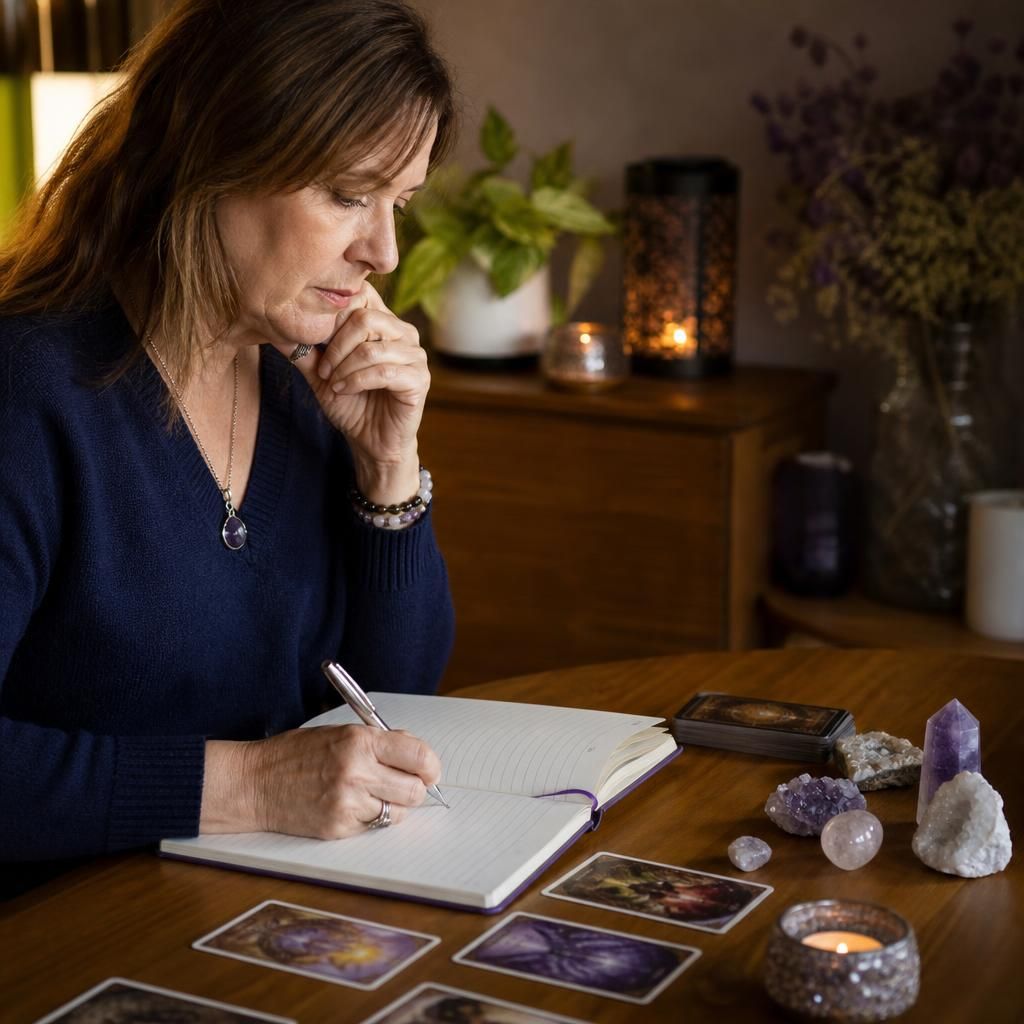
One useful preparation technique is to turn prediction-seeking questions into exploratory questions. Instead of asking, “Will this relationship last?” consider, “What dynamics should I understand in this relationship?” or “What factors may affect the decision I am considering?” This wording invites a broader interpretation and can produce guidance that remains useful even when circumstances change.
Group your questions by purpose before the reading:
- Understanding: What pattern or influence may be shaping this situation?
- Choice: What should I consider before selecting between these options?
- Action: What practical area deserves my attention?
- Perspective: Is there an aspect of the situation I may be overlooking?
Prioritise the questions that would genuinely improve your understanding. This gives the clairvoyant a clear direction without restricting the reading to a fixed outcome.