


How can I verify the credibility and experience of a psychic before booking a phone reading?
Verify a psychic by reviewing their professional profile, reading independent client feedback, checking that pricing and booking terms are clear, and asking specific questions about their experience and approach before committing. A credible reader should explain what a phone reading involves, avoid guaranteed predictions or pressure to purchase further services, and respect your personal boundaries.
The most reliable way to assess a psychic before booking is to separate verifiable professional information from claims about psychic ability. Clairvoyance, mediumship, tarot and astrology cannot be independently proven in the same way as a regulated qualification, so credibility is better judged through transparent information, a consistent professional record, ethical conduct and clear client protections.
Start by checking whether the reader provides a complete professional identity rather than relying on a first name or a series of broad claims. Look for a consistent name, biography, photograph or business profile, contact details and a clear explanation of the types of readings offered. Information should match across the reader’s website, booking page and other legitimate professional profiles. Contradictory descriptions, unexplained changes in identity or vague statements about experience warrant further scrutiny.
Experience should be relevant to the service you intend to book. A reader may have extensive experience with tarot but describe mediumship, astrology or clairvoyance separately. Consider whether their background explains how long they have practised, which methods they use and what kinds of questions they normally address. Experience alone does not establish accuracy, but specific, consistent information is more useful than impressive-sounding labels without context.
It is also reasonable to ask what training or development the psychic has undertaken, particularly if they refer to formal study, mentoring or specialist techniques. Treat claimed qualifications as supporting information rather than automatic proof of ability. If an organisation or credential is mentioned, check that it can be identified independently and that the claim is not simply an unverified badge or self-awarded title.
Examine the reader’s methods before sharing sensitive details. A professional should be able to describe whether the session is primarily based on cards, astrology, mediumship, clairvoyance or a combination of approaches. This helps you understand what the reading can and cannot address. Be cautious if the reader appears to collect extensive personal information before the session and then presents those details as evidence of psychic insight.
Pay particular attention to ethical limits. A responsible reader should not present a reading as medical, legal or financial advice, claim certainty about another person’s private thoughts, or use alarming statements to make you dependent on further consultations. They should also make it clear that you remain responsible for decisions about health, relationships, money and other significant areas of life.
Before booking, check the practical safeguards that protect both parties. Read how cancellations, rescheduling, refunds, complaints and personal-data handling are managed. Confirm what information is retained after a call and whether the service records sessions. A professional presentation does not replace clear policies, and a reader who cannot explain basic arrangements may not provide the level of accountability you expect.
When reviewing feedback, assess the quality of the evidence rather than simply counting favourable comments. Detailed accounts that describe the booking process and the nature of the consultation are more informative than identical one-line endorsements. Look for feedback presented in a way that allows reasonable context, while remembering that testimonials are personal opinions and cannot prove predictive accuracy. Unverifiable claims of perfect results, unusually dramatic outcomes or universal praise should be treated cautiously.
A short preliminary enquiry can help you assess professionalism without disclosing information you would prefer to keep private. Ask how the reader handles uncertainty, whether they distinguish interpretation from fact and what happens if a topic is outside their approach. The most useful response will be specific and measured, rather than defensive, evasive or designed to create urgency.
For a phone reading, establish how you will be identified, how the appointment is arranged and how payment is authorised before giving card or personal details. Use the agreed booking route and keep confirmation messages and receipts. Do not send additional payments because of a sudden claim that a curse, blocked energy or spiritual emergency must be removed; this is a recognised pressure tactic rather than evidence of expertise.
Finally, decide in advance what you want to learn and what boundaries you will maintain. Avoid treating a reading as a substitute for qualified professional support, and end the conversation if you feel intimidated, manipulated or pushed to disclose more than you wish. This approach cannot verify supernatural claims, but it can help you distinguish an experienced, transparent practitioner from one whose credibility depends mainly on unsupported promises.
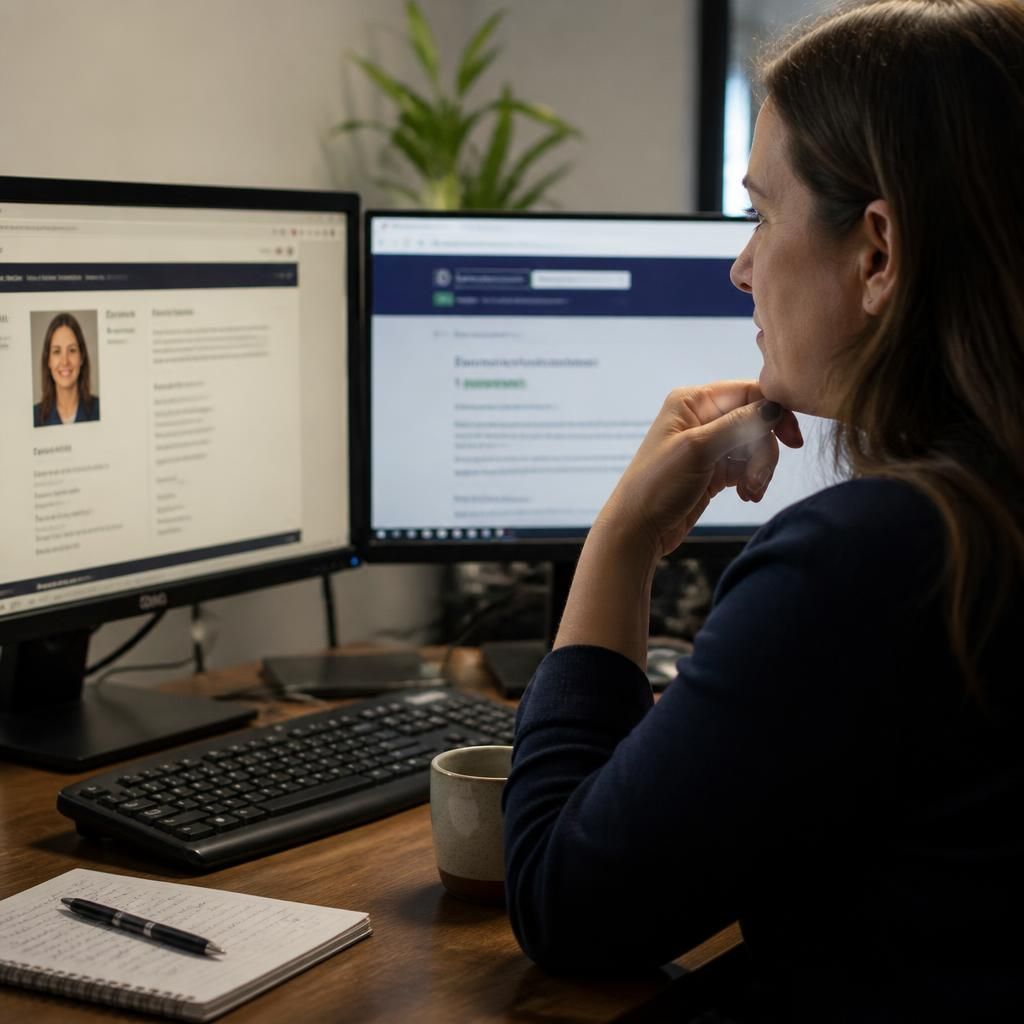
A useful additional check is whether the psychic’s professional identity can be corroborated outside their own promotional material. If they operate under a business name, compare that name with any relevant public business listing, professional directory entry or identifiable payment entity. Details do not need to appear everywhere, but the core identity, contact route and description of services should be reasonably consistent.
This type of verification confirms that there is an accountable person or business behind the booking, not that psychic abilities or predictions are proven. A registration or directory listing should therefore be treated as background evidence only. Be cautious if a reader relies solely on anonymous social-media accounts, cannot explain who processes payment, or presents an association logo without a traceable listing. Recording these checks before booking gives you a clearer basis for judging credibility than promotional claims alone.