




How do psychic readings via phone differ from in-person sessions?
Phone readings and in-person sessions can use the same approaches, including clairvoyance, mediumship, tarot or astrology; the main difference is the setting. A phone reading offers physical distance and privacy, while an in-person session provides face-to-face interaction and a shared environment that may influence how the consultation feels.
Psychic readings via phone differ from in-person sessions mainly in how information is exchanged and how the consultation is experienced, rather than in the type of reading available. A phone reading relies on spoken communication, while an in-person session can also include visual cues, physical surroundings and the handling of tools such as tarot cards. Neither format is automatically more accurate; the more suitable option depends on how you communicate, what you want from the session and how the practitioner conducts the reading.
Communication and observation
During a phone reading, the conversation carries most of the consultation. The reader hears your questions, responses, pauses and tone of voice, while you must describe relevant context verbally if you choose to provide it. This can be useful for someone who prefers a focused exchange, but it also means that gestures, facial expressions and other visual details are not part of the interaction.
An in-person session allows the reader and client to observe one another directly. Some people find that natural pauses and non-verbal communication make it easier to clarify a question as the reading develops. Others may feel that visible reactions affect the flow of the consultation. If you want the reading to remain centred on spoken interpretation, a phone format may feel more straightforward.
Use of tarot and other methods
In an in-person tarot session, the cards may be shuffled, laid out and viewed together at the table. You can see the spread as it develops and ask about a particular image or position immediately. In a phone session, the reader generally explains the cards and their positions verbally. The interpretive process can still examine symbolism, relationships between cards and the question being explored, but you receive that information through conversation rather than by viewing the layout yourself.
For clairvoyant or mediumship work, the difference may be less about equipment and more about the communication channel. A phone consultation does not require a shared physical room for the reader to describe impressions or messages. With astrology, the central material is generally the chart and its interpretation, so the key practical difference is how that information is discussed and whether supporting details are shown during the session.
Control over the conversation
Phone readings can suit clients who want to ask questions without managing the visual dynamics of a room. It is still important to state the topics you want to address and to correct misunderstandings as they arise. A clear opening question helps the reader distinguish between a broad request, such as personal growth, and a specific issue involving a relationship or career decision.
In person, the consultation may feel more interactive because the reader can point to a card, spread or other reference while explaining it. This can make follow-up questions easier to formulate, particularly for someone who benefits from seeing information presented physically. It can also make the session feel more structured if the practitioner uses a defined layout or sequence.
Practical requirements
- For a phone reading, use a reliable connection, choose a place where you can concentrate and keep a notebook available if you want to record key points.
- For an in-person session, check how the reading is organised, including whether cards are supplied by the reader, whether you may ask questions throughout and whether notes or recordings are permitted.
- For either format, decide in advance which subjects are most important and separate questions that require spiritual reflection from decisions that need professional advice.
Phone readings can be particularly suitable when spoken guidance is sufficient, when you prefer not to be observed while discussing personal matters or when the practitioner’s method does not depend on showing physical materials. An in-person session may be preferable when you want to examine a tarot spread directly, value visual interaction or find it easier to communicate in the same room.
How to compare the quality of the experience
Assess the reading by the clarity of the discussion, the relevance of the interpretation and whether the practitioner treats uncertainty responsibly. A reputable reader should explain the limits of the service, avoid presenting spiritual impressions as established fact and allow you to make your own decisions. The format should not be used to pressure you into accepting a prediction or purchasing additional sessions.
Elizabeth Rose Psychics provides phone and email psychic readings using approaches that include clairvoyance, mediumship, tarot and astrology. When choosing between a phone consultation and an in-person session elsewhere, consider whether you want a primarily verbal exchange or direct access to visual and physical elements. That distinction is usually more useful than assuming one format will produce a better result.
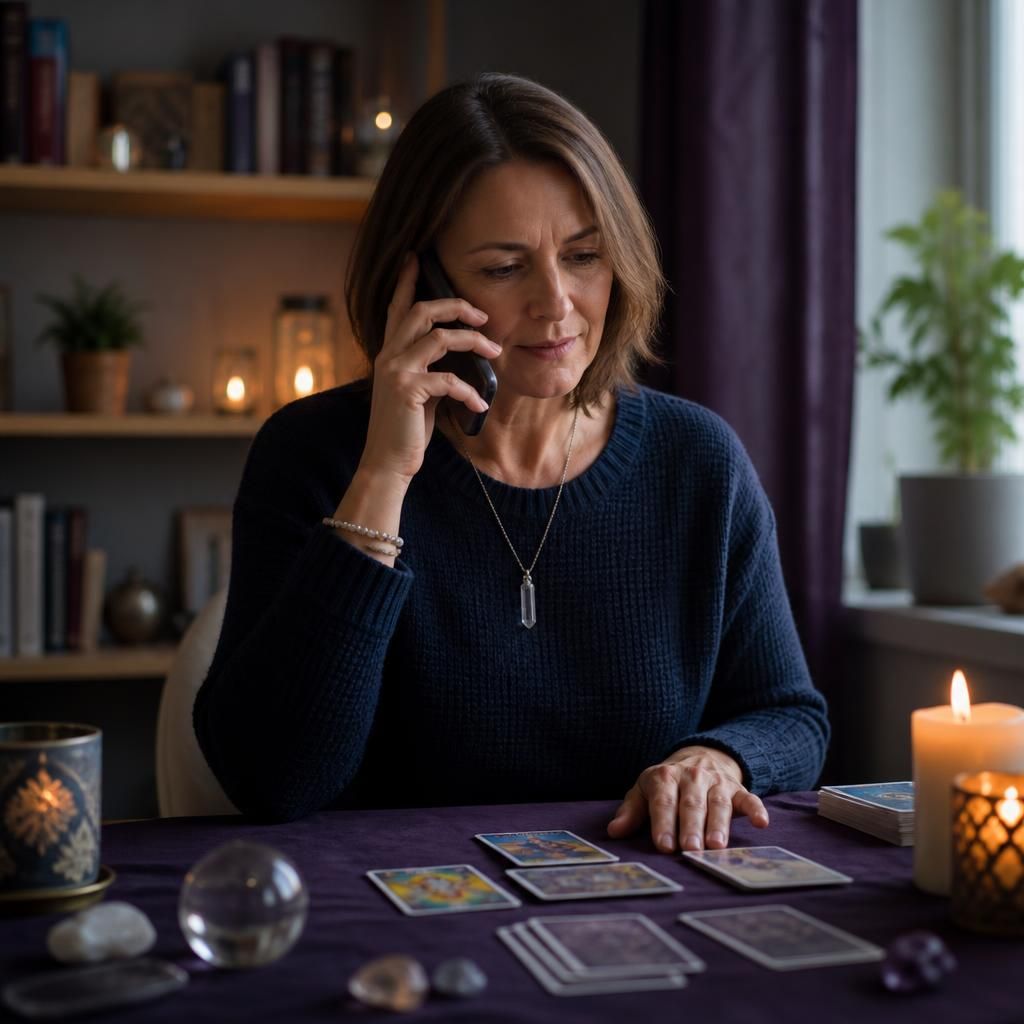
Privacy is another practical difference between phone and in-person psychic readings. With a phone consultation, you choose the environment in which you discuss personal subjects, so you can use a private room and limit interruptions. An in-person session depends on the privacy of the venue, including soundproofing, room layout and whether other people are nearby.
Before either type of session, check how personal information is handled and whether the consultation is confidential. If privacy is important, use headphones, avoid public spaces and confirm who can access any notes or recordings. These considerations do not determine the quality of the reading, but they can affect how freely you are able to discuss relationships, career concerns or personal decisions.