




What preparatory steps can enhance my experience during a psychic or tarot reading?
Prepare by identifying the areas you want to explore, writing down specific but open-ended questions, and noting relevant context such as key dates or recurring concerns. Approach the psychic or tarot reading with a clear intention while remaining open to interpretations that may differ from your expectations.
Effective preparation involves creating the right practical conditions, understanding the purpose and limits of the session, and deciding how you will record and assess what you hear. A calm setting, realistic expectations and a willingness to consider information without trying to control the outcome can make a psychic or tarot reading easier to follow and evaluate.
- Choose a suitable setting. Use a private place where you are unlikely to be interrupted. Silence unnecessary notifications, keep headphones or a reliable phone nearby if the reading is conducted by telephone, and ensure that you have enough privacy to discuss personal subjects comfortably.
- Allow enough mental space. Avoid beginning a reading while distracted, rushed or affected by alcohol or other substances. A short period of quiet beforehand can help you distinguish what the reader is saying from your immediate stress or assumptions.
- Decide what you are comfortable sharing. You are not required to disclose every personal detail. Consider your boundaries before the session, particularly if the topic involves relationships, family matters or bereavement. You can decline to answer a question or ask for an explanation without disclosing information you would rather keep private.
- Keep expectations realistic. Psychic impressions and tarot interpretations are not fixed guarantees or objective forecasts. Tarot uses symbols and card relationships to support interpretation, while clairvoyant or mediumistic readings are presented as impressions or perceptions. Treat the session as a source of reflection rather than the sole basis for an important decision.
- Avoid trying to test the reader. Withholding information purely to create a test, looking for an exact prediction, or repeatedly steering the discussion towards a preferred answer can make the exchange less useful. Honest participation provides a clearer basis for exploring the themes that arise.
- Prepare a way to take notes. Keep a notebook or digital document available for key phrases, recurring symbols, practical suggestions and points you want to reflect on later. During a live reading, brief notes are usually more useful than attempting to write down every sentence, as constant transcription can reduce your attention.
- Clarify the format before it begins. If you are having an email reading, consider how you would like the response organised and retain the written reading for later reflection. For a phone reading, make sure you understand how the conversation will work and have a method for recording your own notes. Do not record another person without their knowledge and consent.
- Separate observation from interpretation. When reviewing notes, first identify what was actually said, then consider what it might mean in your circumstances. This reduces the risk of treating a broad symbol, image or impression as a definite instruction.
- Give yourself time afterwards. Significant material may take time to process, particularly when it concerns grief, a relationship or a major decision. Review your notes when you feel settled and identify any practical actions that are sensible independently of the reading.
For decisions involving health, safety, legal rights, finances or mental wellbeing, use appropriately qualified professional advice alongside any spiritual guidance. A reading can help you examine feelings, possibilities and personal priorities, but it should not replace evidence, informed consent or professional assessment.
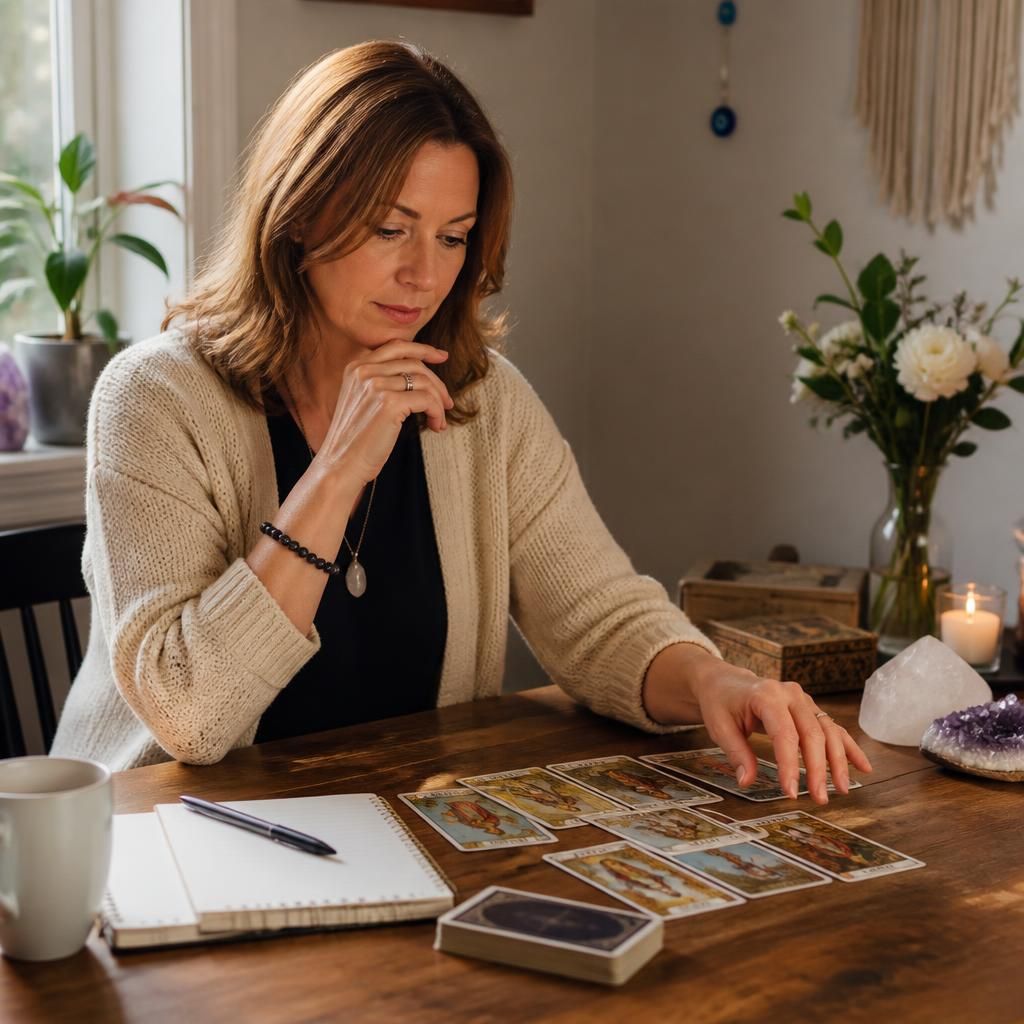
A useful preparatory step is to frame questions around your own choices rather than attempting to obtain certainty about another person’s private thoughts or actions. For example, replace “What is my partner thinking?” with “What relationship patterns should I examine, and how can I communicate more clearly?” This gives a psychic or tarot reading a practical focus while recognising that interpretations cannot verify someone else’s inner state.
Before the session, review any question involving a partner, colleague or family member and remove assumptions presented as facts. Focus on what you have observed, how the situation affects you and what options you want to understand. This approach is particularly relevant when a reading uses symbolic tarot imagery, because the cards can prompt reflection on your perspective and behaviour rather than provide independent evidence about another person.
Explore Your Psychic or Tarot Reading Options
Explore the psychic and tarot reading options available from Elizabeth Rose Psychics to identify a format that suits the questions you want to examine. Choose between a phone or email consultation for personalised guidance on relationships, career or personal growth.