


Are there specific cards that frequently appear in love readings, and what do they signify?
Yes. In love tarot readings, frequently appearing cards include The Lovers for attraction or a significant choice, the Two of Cups for mutual connection, the Ten of Cups for emotional fulfilment, the Devil for intense attachment or unhealthy patterns, and the Three of Swords for heartbreak or difficult truths; their meaning depends on the question, surrounding cards and position in the spread.
Frequently appearing love-reading cards include the Ace of Cups, the Six of Cups, the Page and Knight of Cups, The Empress, The Emperor, The Hierophant, The Star, The Moon, The Sun, the Four of Wands and the Ten of Pentacles. Each can indicate a different aspect of romantic experience, but no card has one universal meaning. Its interpretation depends on the question, the position in the spread, nearby cards and whether the card is upright or reversed.
Cards associated with attraction and emotional openness
- Ace of Cups: Often points to the beginning of emotional openness, renewed affection or the potential for a meaningful bond. For an established couple, it can suggest emotional renewal rather than a new relationship.
- Page of Cups: Commonly relates to a tender message, an apology, a developing crush or feelings that are still being explored. It may also describe someone emotionally sincere but inexperienced.
- Knight of Cups: Represents romantic expression, invitations and the pursuit of an emotional ideal. In a challenging spread, it can caution against charming words that have not yet been supported by consistent actions.
- The Empress: Can signify affection, sensuality, care and the growth of a relationship. It may describe a nurturing dynamic, although surrounding cards are needed before interpreting it as a definite indication of pregnancy or family expansion.
Cards concerning commitment and relationship structure
- The Emperor: May reflect stability, boundaries, responsibility or a person who prefers control and clear definitions. Its constructive meaning is dependable leadership; in a difficult context, it can point to rigidity or an imbalance of power.
- The Hierophant: Often appears when shared values, tradition, formal commitment or discussions about the future matter. It can support an established partnership, but it may also raise questions about whether a relationship is following convention rather than meeting both individuals’ needs.
- Four of Wands: Suggests celebration, a secure foundation and a relationship becoming more visible or settled. It can relate to meeting family, moving towards a shared home or marking an important milestone, depending on the spread.
- Ten of Pentacles: Connects romance with long-term security, family ties, shared resources and a lasting place in one another’s lives. It is less about immediate passion and more about whether a relationship can operate sustainably within wider responsibilities.
Cards that describe memory, distance and emotional uncertainty
- Six of Cups: May refer to a past relationship, childhood familiarity, nostalgia or a person returning to one’s thoughts. It does not automatically indicate that reconciliation is advisable; it can simply show that earlier experiences are influencing present feelings.
- Eight of Cups: Often indicates emotional withdrawal, leaving an unfulfilling situation or recognising that an existing pattern no longer provides what is needed. In some readings, it describes a temporary search for clarity rather than a final separation.
- The Moon: Highlights uncertainty, projection, incomplete information and feelings that are difficult to interpret. It is useful when examining anxiety or mixed signals, but it should not be treated as proof of deception without supporting cards and real-world evidence.
- The Star: Commonly represents healing, renewed hope and a more authentic emotional outlook after difficulty. It may suggest that trust is being rebuilt, although it does not remove the need for honest communication and practical effort.
Cards that show happiness, clarity and connection
- The Sun: Can indicate openness, warmth, enjoyment and greater clarity between two people. In questions about a developing romance, it often supports a positive atmosphere, while in an established relationship it may show honest affection and shared pleasure.
- Queen of Cups: Represents emotional sensitivity, empathy and intuitive understanding. She may describe the querent, a partner or the emotional approach needed in the situation, but she can also warn against absorbing another person’s feelings at the expense of personal boundaries.
- King of Cups: Suggests emotional maturity, composure and the ability to care without being overwhelmed. It may describe a steady partner or encourage someone to express feelings thoughtfully instead of suppressing them.
Reversed cards add another layer rather than simply turning an upright meaning into its opposite. The Ace of Cups reversed, for example, may suggest guarded emotions or difficulty receiving affection, while the Four of Wands reversed could indicate instability around commitment or a celebration that has been delayed. Some readers use reversals; others interpret the same themes through the surrounding cards and the spread position.
Card combinations are usually more informative than isolated symbols. The Ace of Cups alongside the Knight of Cups may emphasise an emerging emotional exchange, whereas the Moon beside the Knight may call for caution about assumptions or idealised promises. The Hierophant with the Ten of Pentacles can focus attention on shared long-term values, while the Eight of Cups near the Queen of Cups may describe the need to protect emotional wellbeing when care has become one-sided.
The question itself also changes the meaning. In a reading about a new connection, the Page of Cups may describe early interest; in a reading about an established partnership, it may indicate a need for more playful or vulnerable communication. A card drawn in a position labelled “what is needed” should be read as guidance about an approach, not as a fixed description of another person’s private thoughts.
For that reason, love tarot cards are best treated as symbolic prompts for examining feelings, behaviour and relationship dynamics rather than as guaranteed predictions. A professional reading can place recurring cards in context by considering the full spread, the reader’s question and the practical circumstances surrounding the relationship. Elizabeth Rose Psychics offers phone and email psychic readings incorporating tarot alongside other forms of spiritual guidance for people seeking perspective on romantic concerns.
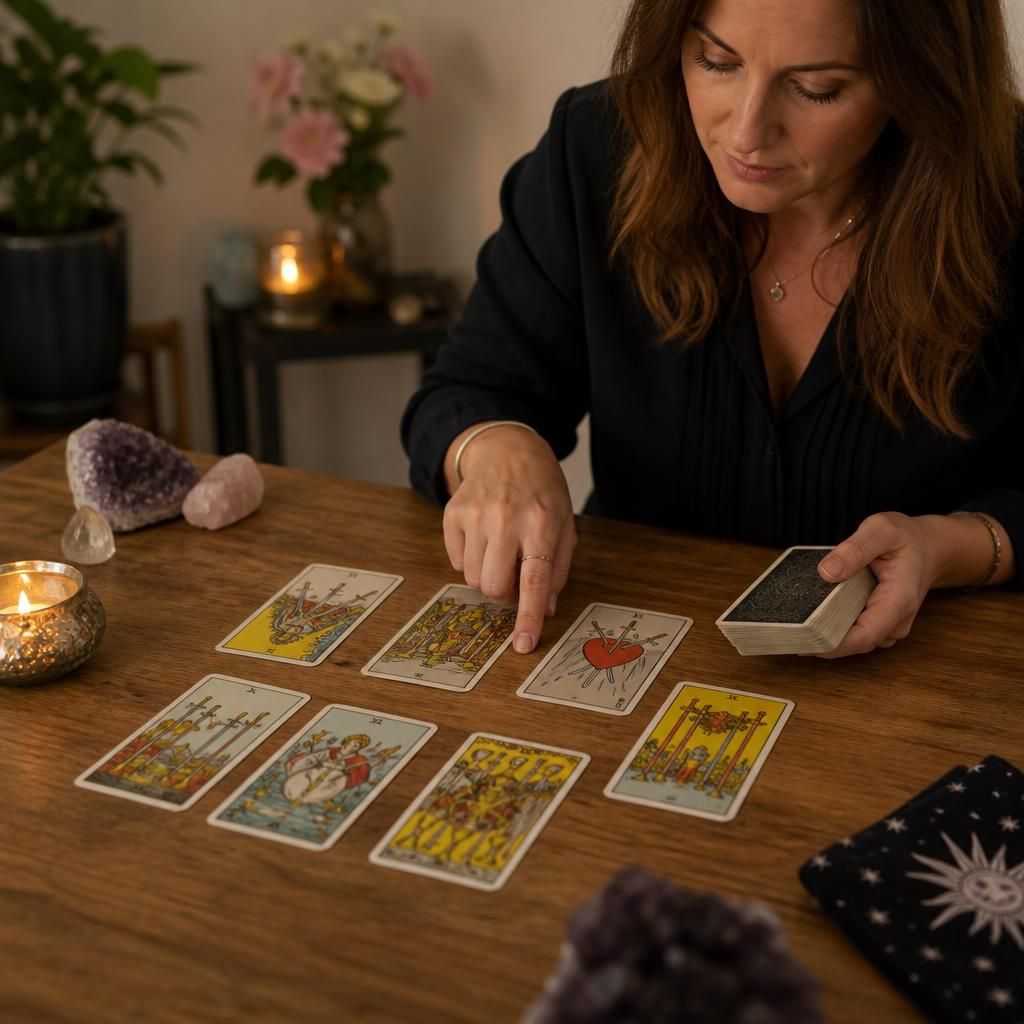
Frequently appearing love tarot cards do not necessarily predict a fixed romantic outcome. Their recurrence may instead reflect the type of question being asked, such as whether to pursue a connection, address uncertainty or decide what commitment means to the people involved.
A useful distinction is between a card’s theme and its forecast. For example, a card associated with choice may highlight a decision that needs attention, but it does not decide which option the querent should take. Likewise, a card linked with separation may describe emotional distance or the need for clearer boundaries without confirming that a relationship will end. The surrounding spread and the reader’s interpretation determine whether the card functions as description, advice or a prompt for further reflection.