






How do I choose the right clairvoyant for a phone reading?
Choose a clairvoyant whose approach, communication style and areas of experience match the guidance you are seeking, while checking that they explain their methods and maintain clear ethical boundaries. A suitable phone reader should make the process understandable and allow you to ask questions without promising guaranteed outcomes.
The right clairvoyant for a phone reading is one whose stated practice, professional standards and session arrangements are suitable for the type of guidance you want. Selection should be based on clear information and reasonable expectations, rather than on dramatic claims, pressure to book or promises about a particular outcome.
Start by defining what you want from the reading. A broad request for insight may call for a different reader from a focused question about a relationship, career decision or personal direction. You do not need to disclose more personal information than you are comfortable sharing. However, identifying the general subject and the kind of support you are seeking makes it easier to assess whether a clairvoyant is an appropriate choice.
It is also useful to distinguish clairvoyance from related practices. Clairvoyance generally refers to receiving impressions or perceptions intuitively, whereas mediumship focuses on communication associated with deceased people, and tarot or astrology use specific systems or tools. Some practitioners combine these approaches, while others work primarily through clairvoyant impressions. Read the description carefully so that the service you select matches your expectations.
Review the practitioner’s information before arranging a session. Look for a clear explanation of:
- the type of reading offered and whether any additional methods are used;
- the subjects the practitioner commonly addresses;
- what information is requested before or during the call;
- how the session is structured, including whether you can ask questions; and
- the relevant booking, payment, cancellation and privacy terms.
Specific information is more useful than sweeping claims. A professional description should help you understand what the practitioner does without presenting psychic insight as a substitute for evidence, professional advice or your own judgement. Be cautious if the information provided is vague, relies mainly on sensational language or suggests that one reading will resolve every problem.
Assess the standards behind the service. A responsible clairvoyant should recognise that clients remain responsible for their own decisions. Treat claims about health, legal matters, finances, pregnancy or safety with particular caution; a psychic reading should not be presented as a diagnosis, legal opinion, financial recommendation or certainty about another person’s actions. You should also be able to end a reading without being told that further paid sessions are essential to prevent harm or correct a supposed problem.
Privacy is another practical consideration. Before sharing sensitive information, check how your details are handled and whether the service explains its confidentiality practices. Avoid giving unnecessary passwords, financial information or identity documents. A request for personal context may be relevant to conversation, but it should not become a demand for excessive private data.
Use reviews carefully. Feedback can indicate whether clients found the booking process clear and the service professionally administered, but testimonials cannot prove the accuracy of psychic predictions. Give more weight to consistent comments about clarity, respect, listening and transparent administration than to claims of extraordinary results. Consider whether the feedback appears detailed and balanced rather than copied, exaggerated or focused only on guaranteed success.
Consider the practical fit of a telephone session. Phone readings rely on spoken conversation, so check that the arrangement is suitable for your hearing, language and accessibility needs. Choose a setting where you can concentrate and take notes if useful. If you prefer a structured consultation, establish whether the reader welcomes prepared questions. If you prefer an open reading, check whether the session allows space for the practitioner to describe impressions before you provide extensive background.
A sensible comparison process is to shortlist a small number of practitioners, read each service description in full and compare the information provided on the same basis. You can then decide whether the reader’s subject expertise, format, safeguards and terms are appropriate without treating popularity or confident wording as proof of ability. If the answers remain unclear, postponing the booking is preferable to proceeding under pressure.
Elizabeth Rose Psychics provides remote psychic readings by phone and email, with services including clairvoyance, mediumship, tarot and astrology. When considering a reading through the service, review the relevant reader and session information, identify the type of consultation you want and check the stated terms before making a decision. The aim is to select a practitioner whose service you understand and can approach with clear, realistic expectations.
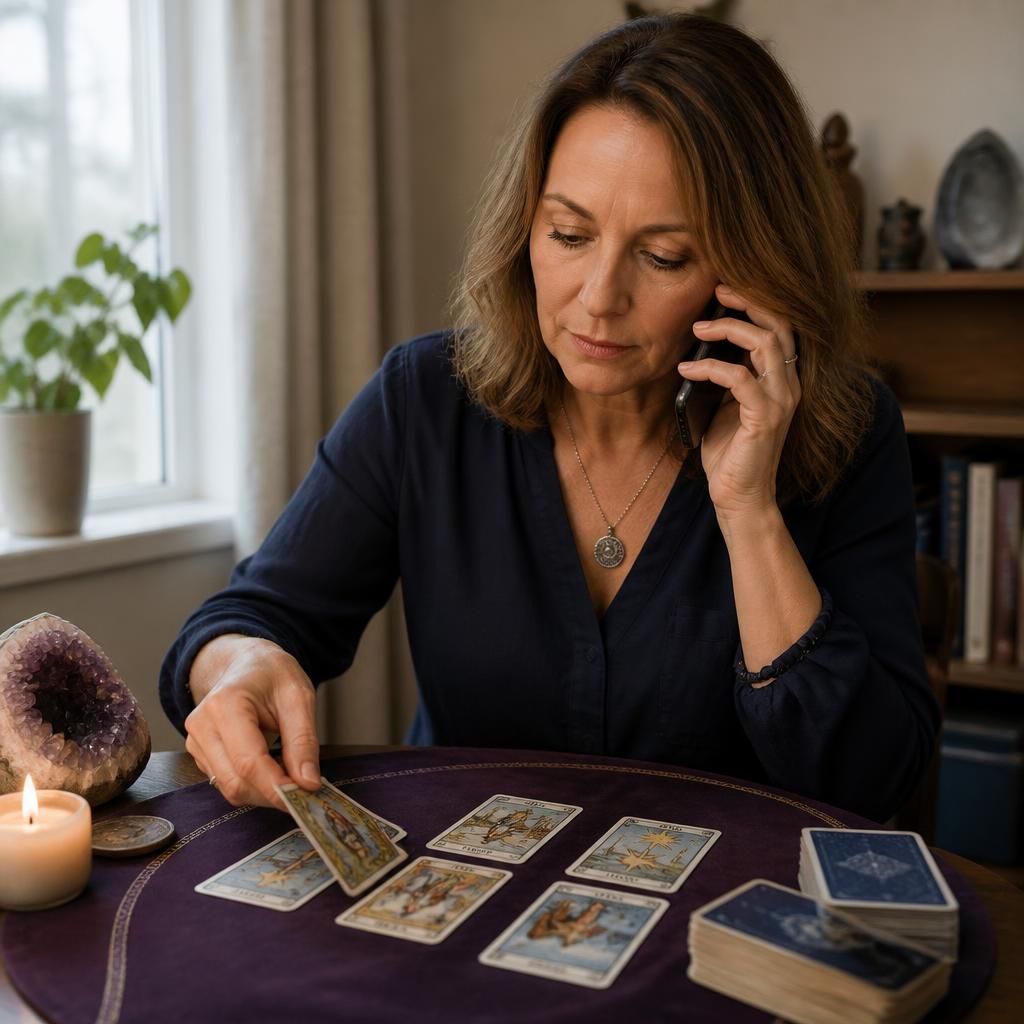
A useful way to assess a clairvoyant is to consider how they handle uncertainty during a reading. A responsible reader should be able to distinguish an impression from a confirmed fact and accept that some details may not resonate with you. They should allow you to question, clarify or reject an interpretation without treating disagreement as evidence of a hidden problem.
This approach helps you identify a practitioner who treats the reading as an open consultation rather than a fixed verdict. Before booking, look for descriptions that leave room for discussion and acknowledge the limits of intuitive information. The right fit is a reader whose method allows you to remain an active participant in deciding what, if anything, is meaningful to you.