





How can I enhance my clairvoyant abilities through daily practices?
You can enhance your clairvoyant abilities through consistent daily practices such as quiet meditation, visualisation, focused observation and keeping an impressions journal. Record what you perceive without judging it, then review your notes later to distinguish recurring intuitive impressions from assumptions, memories or wishful thinking.
Enhancing clairvoyant ability through daily practice involves refining attention, recognising the way impressions appear and testing them against clear feedback. In spiritual traditions, clairvoyance refers to receiving information as mental images, visual symbols, colours or scenes. These experiences are subjective and are not established by scientific evidence as a reliable means of obtaining factual information, so effective practice should develop both sensitivity and discernment rather than encourage unquestioning belief.
Establish a consistent practice structure. Choose a regular point in the day and keep each exercise brief enough to maintain concentration. Begin by stating a neutral intention, such as noticing any spontaneous visual impressions without trying to produce a particular answer. A defined purpose helps separate an unexpected impression from an image created by expectation. End each session deliberately, returning attention to ordinary surroundings before continuing with other activities.
Learn your personal visual vocabulary. Clairvoyant impressions may not arrive as literal pictures. Some people report colours, geometric forms, faces, landscapes or symbolic objects, while others experience a quick visual flash rather than a sustained scene. When an image occurs, consider its qualities: was it sharp or indistinct, moving or still, emotionally neutral or charged, simple or elaborate? Over time, compare these characteristics with the context in which they appeared. This can help you identify recurring patterns without assuming that every symbol has a universal meaning.
Practise receiving information without forcing a result. Use neutral exercises with an outcome that can later be checked. For example, ask a trusted person to place a familiar object inside an opaque container, or to select one image from a small set. Before the reveal, notice the first impression and distinguish it from the explanations that follow. The purpose is not to guess correctly every time. It is to observe whether your initial impressions are more informative than deliberate guessing, and to identify when expectation is influencing the process.
Separate an impression from its interpretation. A useful mental sequence is:
- Notice the immediate image or visual quality.
- Describe it in plain terms, without assigning a meaning.
- Identify the interpretation your mind adds to it.
- Wait for relevant information before deciding whether the interpretation fits.
This process matters because the mind naturally completes incomplete information. A fleeting image of a road, for instance, does not automatically mean travel, change or a specific person. Treating the original impression and its possible meaning as separate stages reduces the risk of turning a vague perception into an overconfident conclusion.
Use grounding before and after practice. Grounding is not intended to increase clairvoyance directly; it supports accurate self-observation. Notice physical contact with the floor or chair, relax unnecessary muscular tension and identify ordinary sensory details around you. After the exercise, carry out a practical activity that requires external attention. If you feel unsettled, preoccupied or unable to distinguish impressions from ordinary thoughts, stop the exercise and return to normal routines rather than intensifying the practice.
Improve your ability to recognise expectation. Before beginning, identify what you hope or fear the exercise will reveal. Strong wishes can influence the images you notice and the meanings you assign to them. Avoid practising repeatedly on the same question until a preferred answer appears. Repetition can create familiarity and false confidence, particularly when the subject is emotionally important. Neutral subjects and predetermined checking methods provide a more useful test of consistency.
Use feedback responsibly. Where another person is involved, obtain their consent and agree in advance how the exercise will be assessed. Do not use clairvoyant practice to make medical, legal or financial decisions, and do not present an impression as certain knowledge about another person’s private life. Ethical boundaries protect both participants and help keep the exercise focused on exploration rather than influence.
Progress should be assessed by clarity, restraint and accurate self-awareness, not by the intensity of an experience. A vivid image may result from memory, emotion or imagination, while a subtle impression may feel significant only after relevant information appears. Look for repeatable patterns across different exercises, remain willing to record an incorrect interpretation mentally, and avoid changing the meaning after the outcome is known.
Professional guidance can add an external perspective when you are unsure how to interpret recurring experiences. Elizabeth Rose Psychics provides consultations centred on clairvoyance, mediumship, tarot and astrology, so a reading may help you compare your own impressions with another practitioner’s interpretive approach. Such guidance should supplement personal reflection, not replace critical judgement or qualified professional advice in matters affecting health, safety or major life decisions.
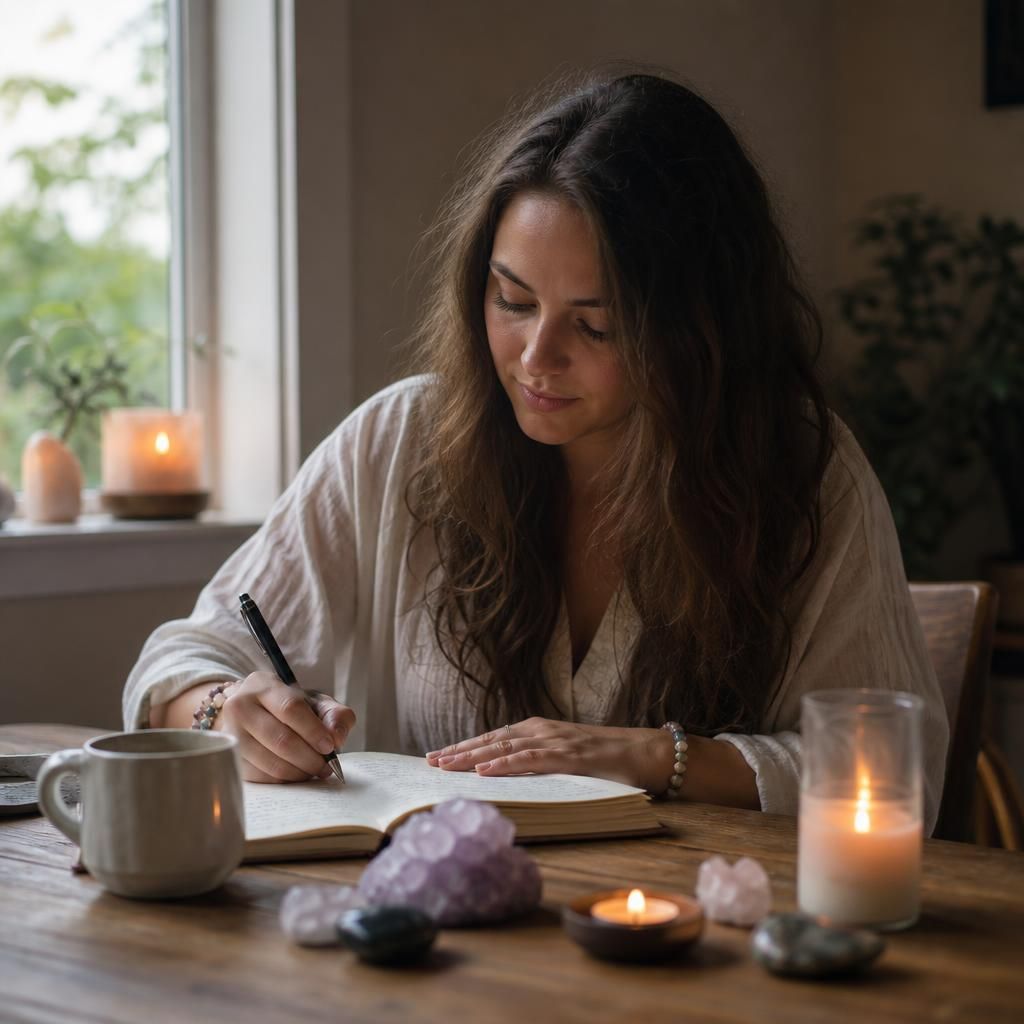
A useful daily practice is to identify the conditions in which visual impressions occur. Images experienced while falling asleep, waking, daydreaming or feeling highly stressed can arise from normal changes in attention and imagination, so they should not automatically be treated as clairvoyant information.
Note the context of each experience, including your level of tiredness, emotional state and whether you were fully awake. Compare spontaneous impressions during calm, alert periods with imagery occurring around sleep or intense emotion. This distinction helps you recognise your own patterns and reduces the risk of confusing dreams, memories or mental imagery with intuitive perception.
- Practise only when you feel alert and emotionally settled.
- Record whether the image appeared suddenly or followed deliberate imagination.
- Describe the experience before deciding what it means.
- Pause if visual experiences become frightening, disruptive or difficult to distinguish from ordinary perception.
If unusual or distressing perceptions continue while you are fully awake, seek advice from a qualified healthcare professional rather than relying on psychic interpretation alone.