



Can different psychic abilities complement one another, and if so, how?
Yes. Different psychic abilities can complement one another by contributing distinct forms of insight: clairvoyance may provide visual impressions, tarot can organise themes through symbolic cards, mediumship may focus on communication with the deceased, and astrology can add a time-based and personality-focused context.
Different psychic abilities can complement one another when each is used for a distinct purpose rather than treated as interchangeable proof. Combining modalities may reveal recurring themes, add context to an initial impression and help a reader examine a question from more than one interpretive angle.
A useful way to understand this process is to separate the stages of a reading:
- Initial perception: An intuitive or clairvoyant impression may identify a concern, emotional pattern or significant area of attention.
- Exploration: Tarot or another symbolic system can provide a structured way to examine the issue, including possible influences, choices and obstacles.
- Personal context: Astrological information may help relate the discussion to temperament, recurring life patterns or broader cycles.
- Connection and meaning: Mediumistic work, where appropriate, addresses questions involving a perceived link with someone who has died and should not be treated as a substitute for factual evidence or professional support.
Used in this order, the abilities can function like complementary lenses. One may highlight a subject, another may organise the material, and a third may help place it within the person’s wider circumstances. The value lies in the relationship between the observations, not in adding as many techniques as possible.
Combining abilities is most useful when the reader establishes a clear question at the outset. A broad request such as “What will happen?” can produce material that is difficult to assess. A more focused question, such as “What is influencing this career decision?” or “What pattern is affecting this relationship?” gives each method a defined role. The reader can then distinguish between an observation, an interpretation and a possible course of action.
Cross-checking can also improve clarity, but it should not become forced confirmation. If two methods point towards a similar theme, that convergence may make the theme worth considering. If they appear to disagree, the difference may indicate that they are addressing separate aspects of the situation, such as present circumstances and possible developments. It may also simply reflect the limits of interpretation. A responsible reading records uncertainty instead of adjusting every message until it appears to agree.
There are several practical safeguards for using multiple abilities well:
- Define the scope: Decide what the reading is intended to explore before selecting the methods.
- Keep interpretations separate initially: Record the first impression from each modality before blending the conclusions. This reduces the risk that one interpretation will influence all the others.
- Look for themes, not identical wording: Complementary systems rarely produce matching details. Their usefulness may be found in a shared issue, feeling or choice.
- Distinguish possibility from certainty: Psychic impressions are interpretive and should not be presented as guaranteed predictions.
- Retain personal judgement: The client remains responsible for decisions, particularly those involving money, legal matters, medical care or personal safety.
The reader’s role matters as much as the techniques used. Personal information, expectations and emotional responses can shape how ambiguous material is understood. Keeping notes before and after a consultation can help separate what was actually communicated from what was inferred later. It can also show whether a repeated theme was genuinely present or was introduced by a leading question.
Different abilities may therefore complement one another through division of function, careful sequencing and comparison of themes. They do not become more reliable merely because they are combined. The strongest approach is measured: use each modality for the type of perspective it is intended to offer, acknowledge contradictions, and treat the final interpretation as guidance for reflection rather than an established fact.
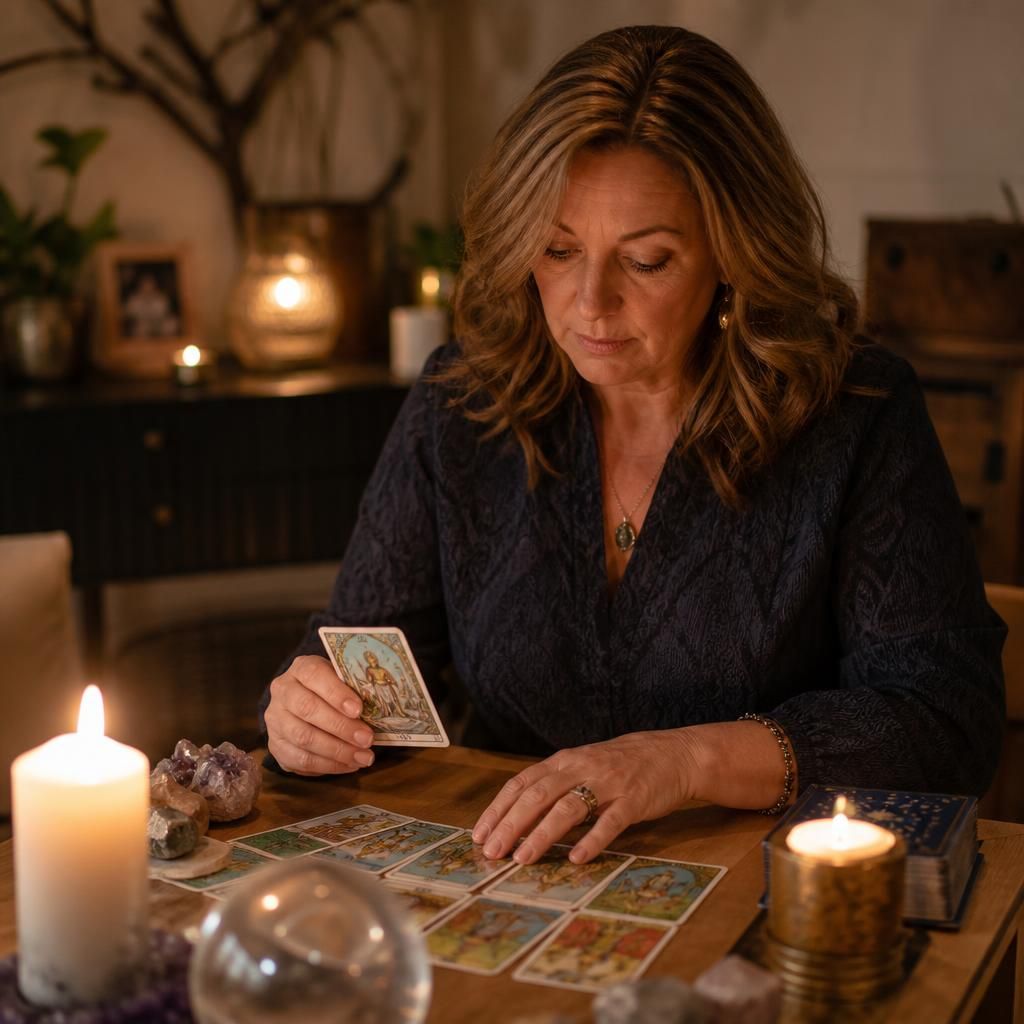
Complementary psychic abilities are most useful when their findings are translated into one clear, practical discussion rather than presented as a collection of separate messages. After each method has been considered on its own, the reader can explain how the insights relate, identify any areas of uncertainty and invite the client to assess what is relevant to their circumstances. This keeps the client involved in the interpretation and prevents a combination of modalities from creating unnecessary confusion.